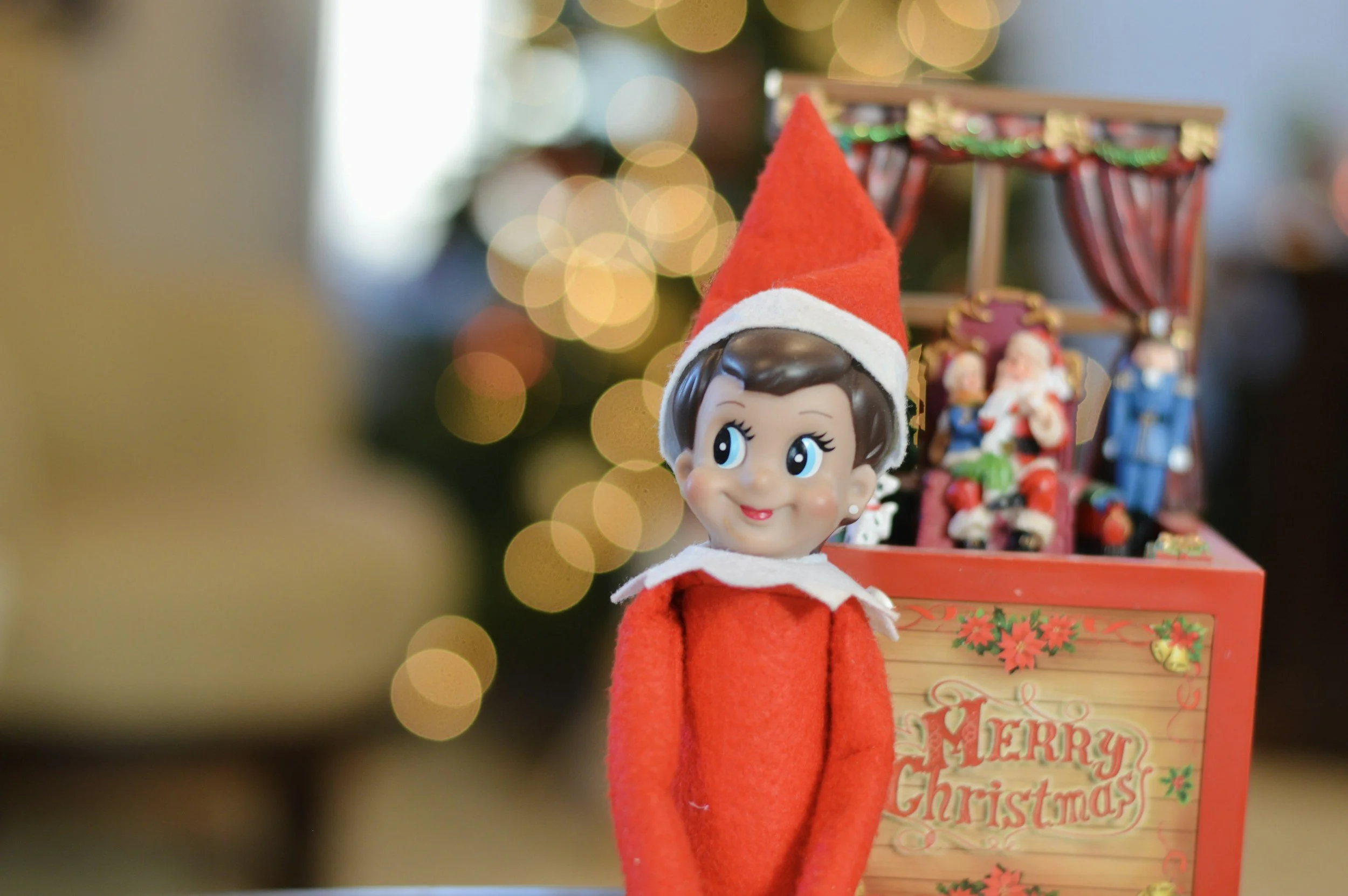
The December holiday season can feel magical: lights everywhere, cozy routines, and traditions that families look forward to all year. And for many households, the Elf on the Shelf is one of those traditions. On the outside, it looks playful and harmless: a little elf who moves around at night and reports back to Santa.
But if you’re a parent who’s started to feel uneasy about it, or you’ve noticed that it adds more stress than joy, that feeling is worth listening to. Many families are rethinking this tradition, especially when they notice how it affects their child’s self-worth, anxiety, or behavior.
As a child therapist and play therapist, I see how easily kids internalize messages about being “good” or “bad,” and how quickly shame can take root. The Elf on the Shelf can unintentionally fuel that.
Why the Naughty vs. Nice Message Can Hurt
Sometimes the pressure shows up in small, everyday ways: a child hesitating before telling you the truth because they’re afraid the elf "saw" something bad, or a little one melting down because they believe one hard moment erased all the good ones. These real-life moments tell us so much about how kids internalize messages.
When children hear that missteps, big feelings, or mistakes place them on a “naughty list,” they begin connecting their behavior to their value.
Kids are concrete thinkers. They don’t hear, “You had a tough moment.” They hear, “I am a tough moment.” And this can show up as:
- A child saying, "I guess I'm just naughty today."
- A kid refusing to participate in something fun because they feel they "don’t deserve it."
- A sensitive child spiraling into tears after a small mistake because they believe the elf will report them.
And when a child starts believing:
- "My big feelings make me bad."
- "If I mess up, love might pull away."
- "Good things only come when I’m perfect."
…that shame becomes the filter through which they see themselves.
Instead of learning that emotions are normal and mistakes are repairable, kids begin to fear disappointing the adults they love. As a play therapist, I see how much emotional pressure this creates inside little bodies.

Gifts Shouldn’t Be Earned With Perfection
You might notice the tension rising as the holiday gets closer, with kids worrying out loud:
- "If I yell, will Santa still bring me something?"
- "I was bad this morning... does that mean no presents?"
These questions come from a place of fear, not growth. And while parents never intend to instill fear, the elf’s structure can make generosity feel conditional. That’s a heavy emotional load for a young nervous system.
Another subtle message the elf teaches is that good behavior earns gifts, and mistakes take them away. Over time, generosity stops feeling like generosity. It becomes a transaction.
That can make the holidays feel less about connection and more about performance.
And here’s the thing: kids aren’t motivated by surveillance.
They’re motivated by relationship: by feeling seen, safe, and connected.
What Kids Actually Need: Connection Over Compliance
Instead of compliance driven by surveillance, kids do better with guidance that comes from connection. Here’s what that can look like in real time:
- Sitting with your child after a meltdown and saying, "You had big feelings, and I’m right here."
- Helping them repair after a mistake instead of fearing punishment.
- Creating predictable rituals (a hug before school, a shared snack, a bedtime check-in) that anchor them.
- Letting them know they’re safe even on hard days.
These moments teach emotional safety far more effectively than any watchful elf.
You don’t need an elf watching from a shelf to encourage meaningful behavior. Children grow when they feel:
- Safe enough to make mistakes
- Connected enough to ask for help
- Loved without conditions
- Supported through their big feelings, not judged for them
Those are the moments that shape self-esteem, emotional regulation, and resilience.
If a tradition adds stress, shame, or fear, you’re allowed to let it go.
So… Should You Retire the Elf?
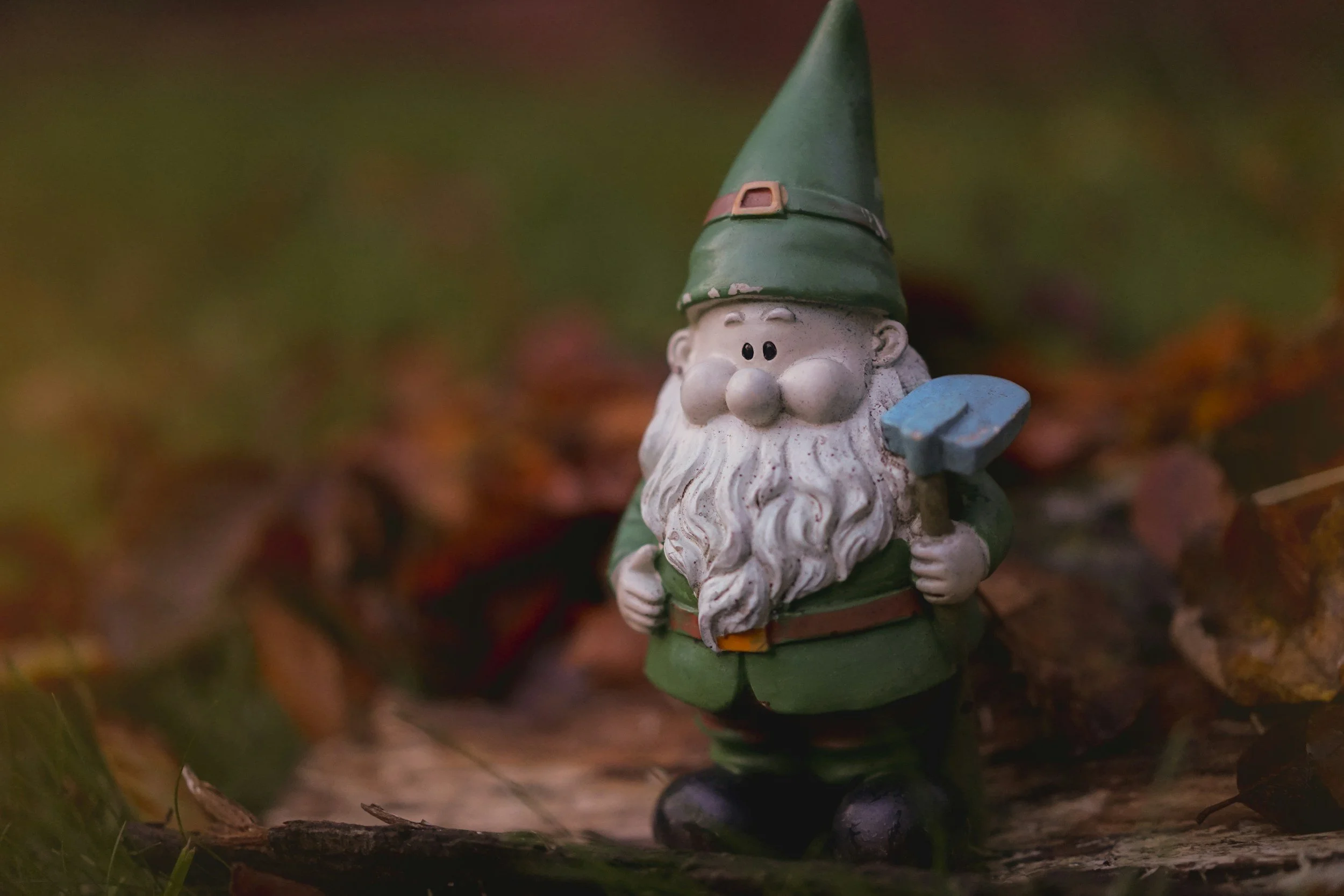
Maybe you don’t want to abandon the tradition entirely, and that’s okay. Some families shift the elf’s role into something playful or connection-based rather than surveillance-based.
Here are a few gentler alternatives families have tried:
- The Encouragement Elf: leaves notes like "I noticed you trying your best" or "It’s okay to have feelings." No reports. No naughty list.
- The Connection Elf: appears each day with a simple prompt like "Read a book together" or "Do something kind for yourself today."
- The Curious Elf: asks questions that spark reflection, like "What made you smile yesterday?" or "What’s something you’re proud of?"
Or, you can retire the elf completely and replace it with:
- A nightly gratitude ritual
- A kindness basket your child helps fill
- A shared activity where the point is being together, not performing
- A weekly family moment where you celebrate effort, not perfection
Small shifts can turn December into a season where your child feels grounded, not judged.
If You’re Wanting More Support This Season
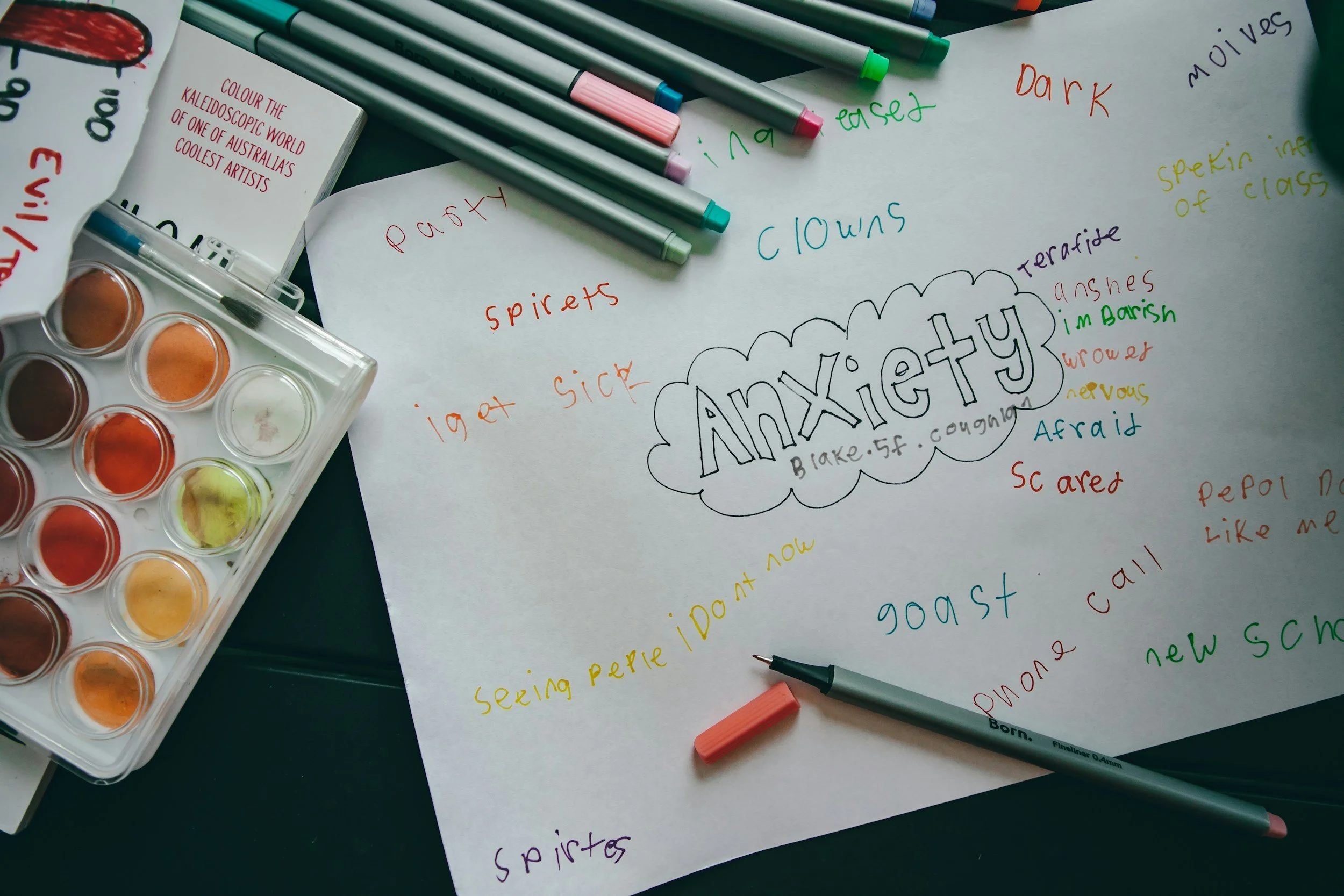
Parenting in the holiday rush can bring up so many feelings, for you and your child. If you’re noticing anxiety, emotional overwhelm, shutdowns, big behavior swings, or a child who suddenly seems more sensitive than usual, I’d be glad to help you figure out what is going on.
I offer child therapy and play therapy in San Jose for kids and families who want support rooted in connection, emotional safety, and developmentally aligned care. In therapy with me, the goal isn’t for children to just "behave better." It’s for them to feel better. And when a child feels more regulated and understood, the whole family feels the shift.
What Play Therapy With Me Can Create for Your Child
Families often tell me they notice changes like:
- More confidence and self-esteem
- Calmer mornings and easier transitions
- Less reactivity and fewer meltdowns
- A deeper ability to express feelings instead of holding everything inside
- Stronger parent-child connection
- A child who feels understood, not judged
And for parents, the outcomes often look like:
- Finally understanding what your child’s behavior means
- Feeling less guilt and more clarity
- Knowing how to support your child in ways that actually work
- A calmer home, with fewer power struggles
- A sense of partnership with your child’s therapist
These are changes that can happen when a child feels emotionally safe and when parents are supported, not blamed. Progress isn’t a straight line, and every family’s looks a little different.
Schedule a Consultation
If you’re curious about how therapy could support your child, I invite you to take the next step. You can schedule a consultation with me here: www.yourtherapynook.com
Sometimes the biggest relief comes from simply having someone in your corner: someone who understands kids, understands emotions, and understands what your family is trying to hold.
I’m here to help make this season, and the ones ahead, feel lighter, more grounded, and more connected for your whole family.
About the Author: Hannah Ly, Child Therapist & Play Therapist

Hannah Ly, LMFT is a child therapist and play therapist in San Jose who works with children, teens, and their parents through big feelings and hard seasons. Through child-centered play therapy, attachment-focused therapy, and close collaboration with parents, she helps families build connection and a sense of safety at home. As a child therapist, her approach is playful and relational: kids get room to express their feelings, and parents get help understanding what their child is needing.
Free 15-minute call
If this sounds like your house, tell us what's going on. Hannah does every first call herself.
Book a Free 15-Minute Consultation