Menu
Services We Offer▾
Therapy Modalities▾
Issues We Treat▾
Locations▾
Child and teen therapy specializing in attachment, adoption, and foster care, in San Jose, Redwood City, and across the Bay Area.
Schedule a Free 15-Minute Consultation
Adoption-competent therapy means the therapist is specifically trained in attachment trauma, adoption, and foster care, not adapting general child therapy to it. At Your Therapy Nook, this is a core specialty: play therapy for children, individual work for teen adoptees, and parent coaching every four weeks as a standing session in every case, in San Jose and Redwood City.
You prepared. The home study, the trainings, the wait. You knew it would be hard. Not like this.
The meltdowns that come out of nowhere. The child who stiffens when you try to hold them. Or nothing you can point to, just a steady feeling that no matter what you try, you're not quite reaching them.
"We're functioning in survival mode all the time."
"We can't co-regulate as a family."
"I love this kid so much and it's not enough on its own. Nobody warned me about that part."
Or your child is a teenager now, and the grief that was quiet at seven is loud at fourteen. Questions about birth parents that come out sideways at dinner. Anger that doesn't fit the moment.
And underneath: the doubt you'd never say at a support group. The exhaustion with a guilt attached, because you chose this. "They're so lucky to have you" doesn't help at 9pm.
That's not your love failing. That's a child who finally has enough safety to feel what they've been holding. If it's big enough to worry you, it's big enough to bring here.
Your child's behavior is telling you something.
Here's what most people miss about children who've been in foster care or who've been adopted, especially from hard circumstances: the behavior is survival. The aggression, the clingy-then-distant cycle, the way they push hardest against the people who love them most, that's a nervous system that learned the world wasn't safe, doing exactly what it was trained to do.
Your child's brain learned to protect itself before it had a chance to trust. That is a wound, not a character flaw. And wounds can heal, not by pushing harder for connection, but by creating the conditions where connection can come from your child's side.
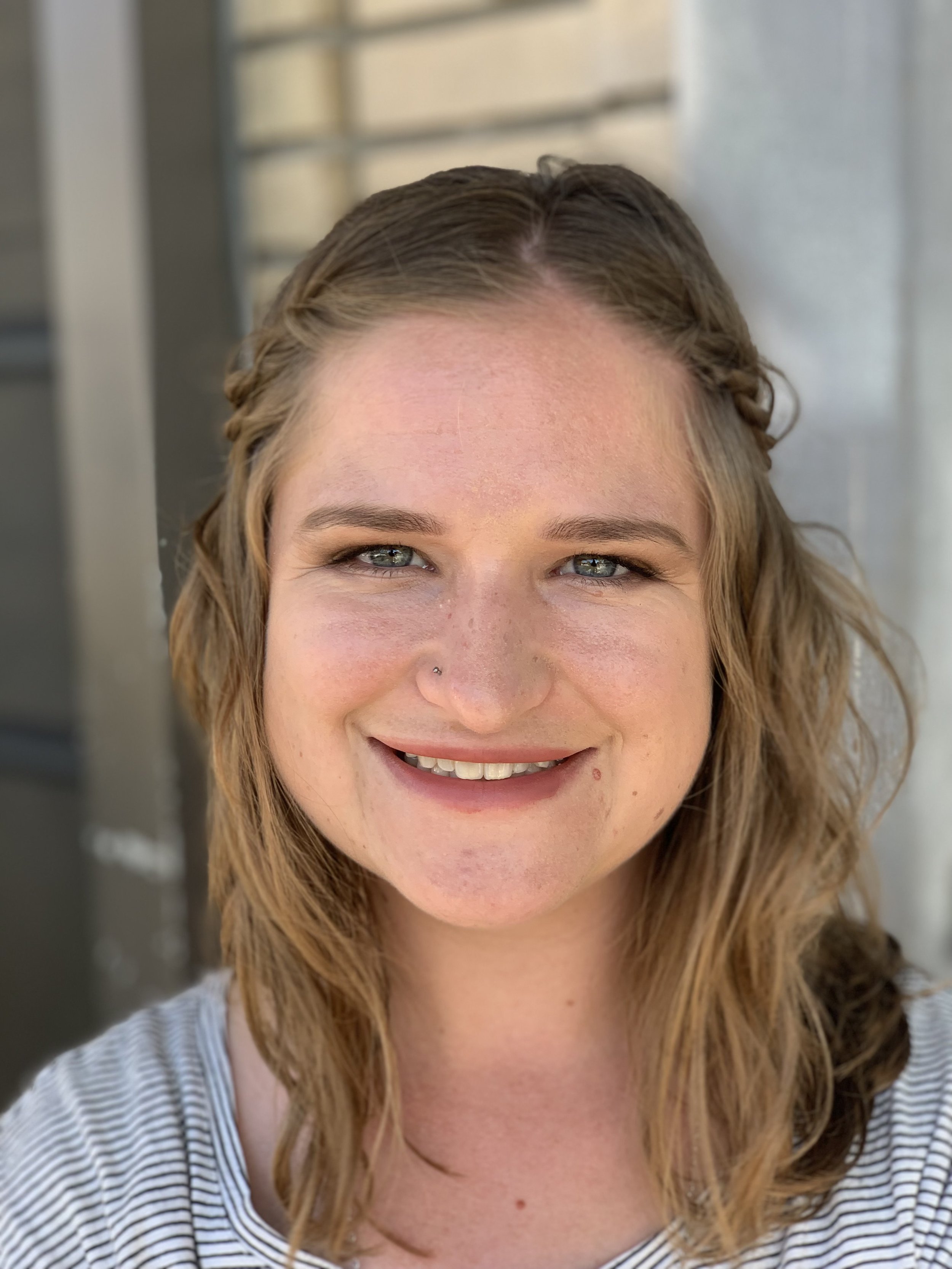
I became a child therapist because of an orphanage in Ukraine.
When I was 22, I spent two weeks volunteering in a Ukrainian orphanage. I watched children starve for affection, physically healthy kids, sitting in cribs, waiting to be held. The look on their faces when a volunteer walked in. It broke something open in me that I didn't know was there.
That two weeks sent me into my 20s differently. I spent years in foster care advocacy in California, helped create an orphan care ministry, attended national adoption conferences through CAFO, the Christian Alliance for Orphans, and got specialized training in attachment work.
Then I went to graduate school, not because therapy seemed interesting, but because I wanted the clinical skills to be there for families on the other side. After the adoption is finalized. After the celebration is over. When the real work begins.
Everyone celebrates the day. And then the family is on their own. I've spent my career building the skills to be there when the celebration is over.
I'm Hannah Ly, LMFT, founder and clinical director of Your Therapy Nook. Adoption and foster care therapy isn't a niche I picked up. It's the work I was made to do.
Your Therapy Nook is a group practice held to one standard. I train every therapist here myself and review cases weekly, so whoever your family is matched with, you get the same approach.

Progress in therapy isn't linear. Children who've been through early relational trauma don't flip a switch. What happens is slower and more real than that:
The rages get shorter, and your child recovers faster.
They make eye contact when they wouldn't before. They let you sit next to them on the couch.
The testing softens, because the question underneath it got answered.
Small moments of joy start showing up in places that used to be battles.
You stop feeling like the enemy in your own home.
When you understand what your child's behavior is actually telling you, it stops feeling like personal rejection. You start being able to respond to them instead of react.
Schedule a Free 15-Minute Consultation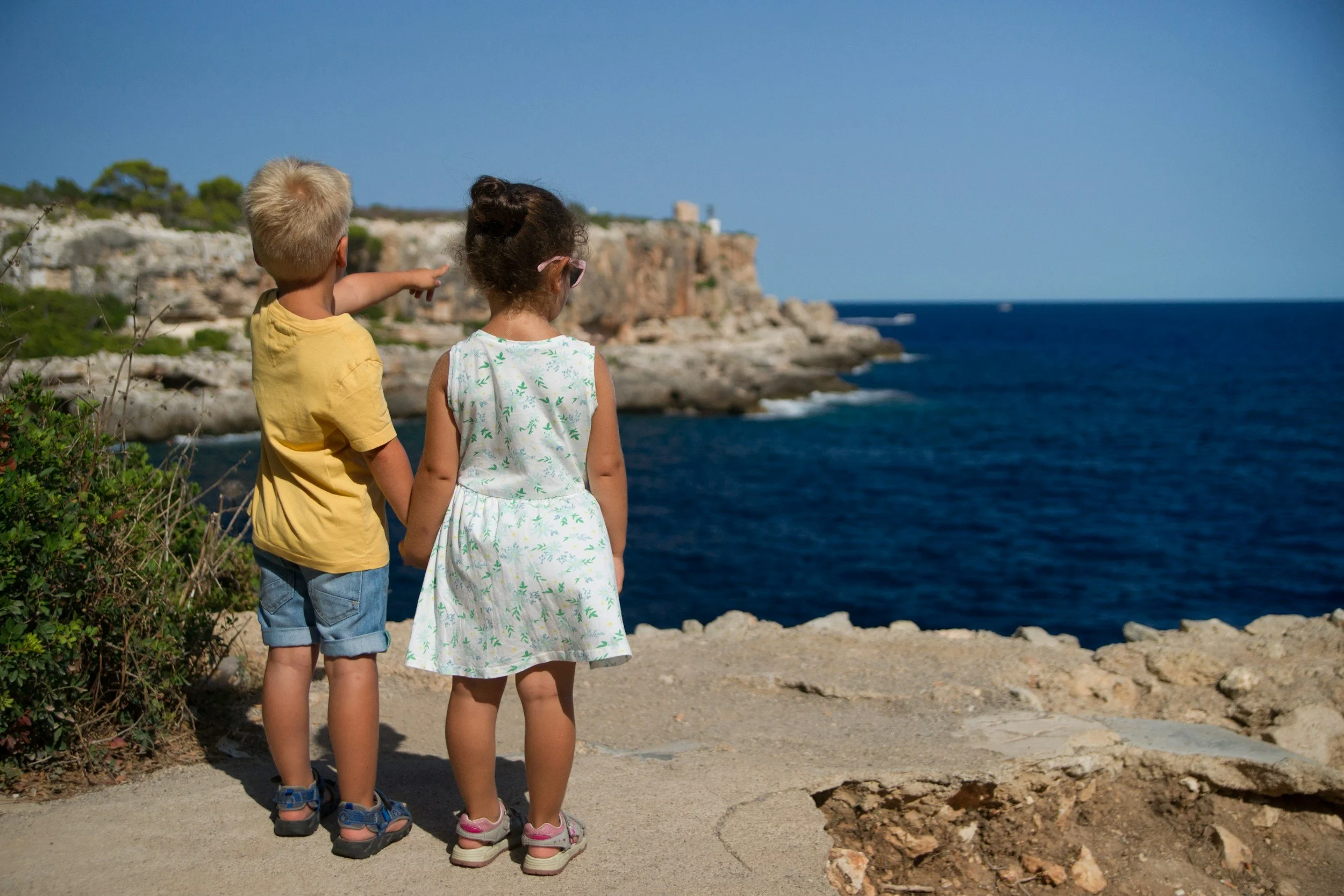
No two adoption or foster care stories are the same. Below are the areas I work in most deeply.
Neglect, disrupted caregiving, institutional care, multiple placements: a nervous system wired for threat, that may not yet know it's in a safe home. This therapy isn't behavior management. It's helping your child's body learn, slowly, what safety feels like, through a consistent, predictable relationship your child can lead, test, and eventually trust.
The question underneath everything, even unspoken: am I staying? Foster children often can't let themselves fully attach, so the withdrawal and testing is self-protection, not rejection. I help your child build trust in the relationship they have right now, regardless of what comes next.
You said yes to the forever home. And now the real work begins. The move from foster care to adoption often brings a new wave of feeling: grief, hope, confusion, relief, terror, sometimes all at once. What looks like things getting worse is often your child beginning to feel things they had to push down to survive.
There's the immediate adjustment: language, food, environment. Then the layers that surface later: identity, cultural belonging, grief for what was left behind, where they fit. I help your child develop a sense of self that includes both where they came from and where they belong now.
Your child is growing, and questions are surfacing: about their birth family, about what it means to be adopted, about whether loving you means something about who they are. I help families build a home where adoption is talked about openly, the questions are honored, and any birthfamily relationship is handled in ways that fit your family.
Everyone is trying to figure out who they are at 15. Adoptees are doing it with an extra layer. The anger that surfaces in adolescence isn't always defiance. Sometimes it's grief that finally has permission to come out. I work with teen adoptees individually, in a space that belongs entirely to them.
Your child is holding two things at once: what it means to be adopted, and what it means to be a different race than their family. We help families talk about race, difference, and identity in ways that are honest and affirming.
When a grandparent, aunt, or uncle steps in, there's love, and there's also grief, role confusion, and a child processing loss inside the same family system trying to hold them. I work with the child and with the caregivers stepping into a new chapter of their own lives.
Not sure which version is yours? Tell us on a free call
Adolescence is when identity cracks open. For adoptees and foster youth, that question has a layer most peers don't carry: where do I come from, and what does that say about me? The grief that was quiet at seven often gets loud at fourteen.
Their session is theirs.
No clipboard, no scripted questions. We might draw, play a game, talk, or sit with something until it's ready to move. We follow the teen.
Privacy is real.
Before every parent check-in, we ask your teen what's okay to share. That's what makes them willing to actually say things.
You're not left out.
A standing parent session every four weeks. Your therapist tells you what they're noticing in general terms and works with you on how to show up for them in this specific season.
When words aren't enough.
For grief or trauma that sits in the body, we use Brainspotting. It reaches what language can't always access.
The teens I see here are usually the ones parents describe as "suddenly different" or "I don't know how to reach them anymore." Sometimes they resist and then surprise everyone by actually engaging. Either starting point is workable.
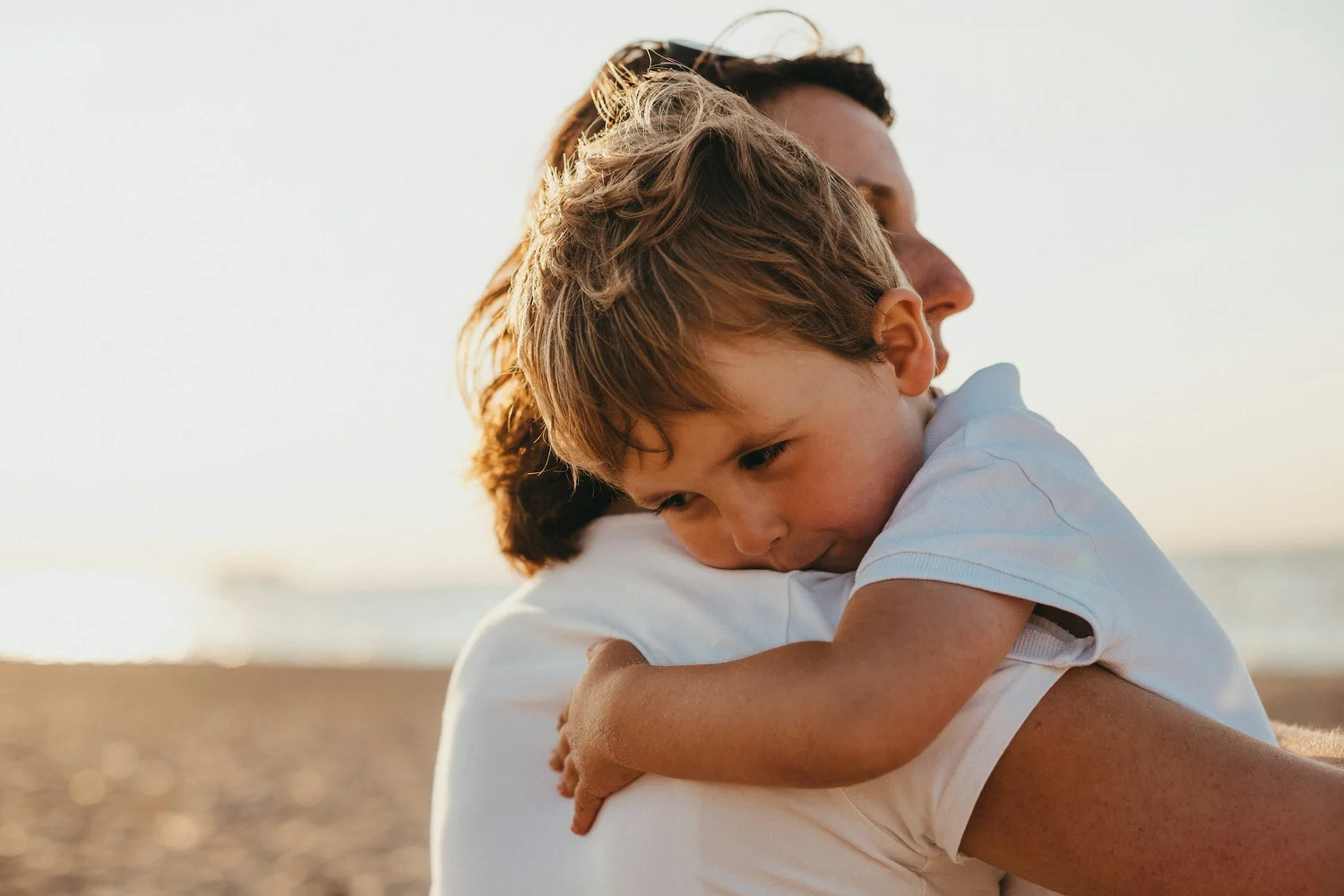
Child-led, unscripted, 50 minutes where the therapist's only job is to see and respond to your child. For most adopted and foster children, this matters more than it sounds: an adult who won't leave, has no agenda, and shows up the same way every week. That consistency is itself therapeutic. Over time the behavior shifts. Not because we trained it out. Because they don't need it anymore.
Adopted and foster teens often need to test whether the relationship is real first, to see if their therapist will keep showing up. We do. When grief or trauma is stored below words, Brainspotting reaches it without requiring them to narrate it.
For you, without your child. You are not a bystander in your child's healing. You're the most important person in it.
You tell us what's going on. We figure out together whether this is the right fit, and which therapist is the right match for your family.
We go through your family's history and the adoption or foster story, so your child never has to be the one to explain it.
In their language, at their pace. Nothing is forced.
I share what I'm noticing, you ask what you've been wondering, and we adjust together.
Not all at once. But it happens. The testing eases. Your child lets you in, small ways first, then bigger ones.
Serving adoptive and foster families in San Jose, Redwood City, Palo Alto, Menlo Park, Santa Clara, Campbell, Sunnyvale, Los Gatos, and across the Bay Area.
Not necessarily in the way we usually picture trauma. But infant adoption can still involve experiences that leave a mark: separation from a primary caregiver, time in foster care before placement, prenatal stress, or the disruption of an early bonding relationship. These happen before a child has words for them, which is partly why play therapy is so well suited to adoption and foster care. Some infant adoptees develop with no significant attachment disruption. Others carry something quieter that surfaces later, particularly during adolescence.
Yes, and this is one of the most important groups to reach. Adolescence is when identity questions intensify and grief that was quiet in childhood often surfaces. I work with adoptees individually, giving them a completely private space with no agenda from parents or the world, just room to figure out what they actually feel.
Yes. The fundamental work is the same whether a child is in a current foster placement, a foster-to-adopt situation, or a recently finalized adoption: helping a child learn that the adults in their life are safe, consistent, and won't leave when things get hard.
It's not only normal, it's often a sign that something important is finally being processed. Adolescence is when identity work becomes unavoidable, and for adoptees that includes questions about origins, belonging, and loss that can surface as anger, withdrawal, or a sudden shift in the parent relationship. The teen isn't turning against you. Teen therapy gives them a space to do that without having to manage your feelings about it at the same time.
Teens who have been through multiple placements have learned, from direct experience, that adults leave and that getting attached is risky. They may be guarded or openly resistant, and I don't try to push through it. Teen therapy here is slow and relational: I show up consistently, follow their lead, and don't push for disclosure before trust is built. For these teens, the reliable, non-demanding relationship is itself the intervention. It can take time for them to believe it's real. I'm not going anywhere.
Yes, and having conscious memories often makes therapy more accessible, not less. Older-child adoptees frequently have a lot they've never been able to say: what the placements felt like, what they grieve, what they're confused by, and things they've internalized about themselves that need careful, gentle examination. I work with them to build a coherent story that holds the truth of what happened while making room for who they are now.
Your Therapy Nook has two offices: 2901 Moorpark Ave, Suite 270, San Jose, CA 95128 and 611 Veterans Blvd, Suite 210, Redwood City, CA 94063. Child and teen sessions are in person. The in-person relationship is central to how play therapy and attachment work function.
If you're an adoptive or foster parent in San Jose, Redwood City, or anywhere in the Bay Area, a free 15-minute consultation is the first step: no commitment, just a conversation about your family and whether this is the right fit.
Schedule a Free 15-Minute Consultation