
Parenting is harder than anyone told you it would be.
Not the logistical hard: the pickups and the practices and the permission slips. You figured that part out.
I mean the other hard.
- The 9pm meltdown when everyone is already exhausted.
- The parent-teacher conference where you smiled and nodded and then sat in your car afterward wondering what you missed.
- The Sunday afternoons where you're all in the same house but somehow nobody is really connecting.
That kind of hard.
And the thing about that kind of hard is that nobody really talks about it. You post the highlights. You say things are fine. You try the strategies from the books and some of them work for a little while and then they don't.
And somewhere in the back of your head is this question you don't really want to ask out loud: is my kid okay?
- Maybe it's the anxiety that shows up at bedtime every single night, the same fears in the same order, and no amount of reassurance makes a dent.
- Maybe it's the anger that comes out of nowhere and takes everyone down with it.
- Maybe your child came home from school one day and you could just tell that something happened, something shifted, and they won't tell you what.
- Maybe your teenager has gone quiet in a way that feels different from the normal teenager quiet, and you're not sure if you should push or give them space or call someone.
Maybe it's older than that. Maybe your child experienced something (a loss, a transition, early years that were harder than they should have been), and you can see it in how they move through the world, even if they've never had the words for it.
I've sat with a lot of families in that place. It's exhausting. And it's lonely in a specific way, because from the outside, everything still looks fine.
Now Accepting New Families: Child Therapy & Teen Therapy in San Jose and Redwood City
I'm Hannah Ly, a licensed marriage and family therapist, and I'm a child therapist in San Jose and Redwood City working exclusively with children and teens ages 3 to 17. That's it: just kids, and the parents who are doing their best for them.
I want to be honest about what that actually means, because therapy is one of those words that can mean a lot of different things and most of it doesn't look like what we do here.
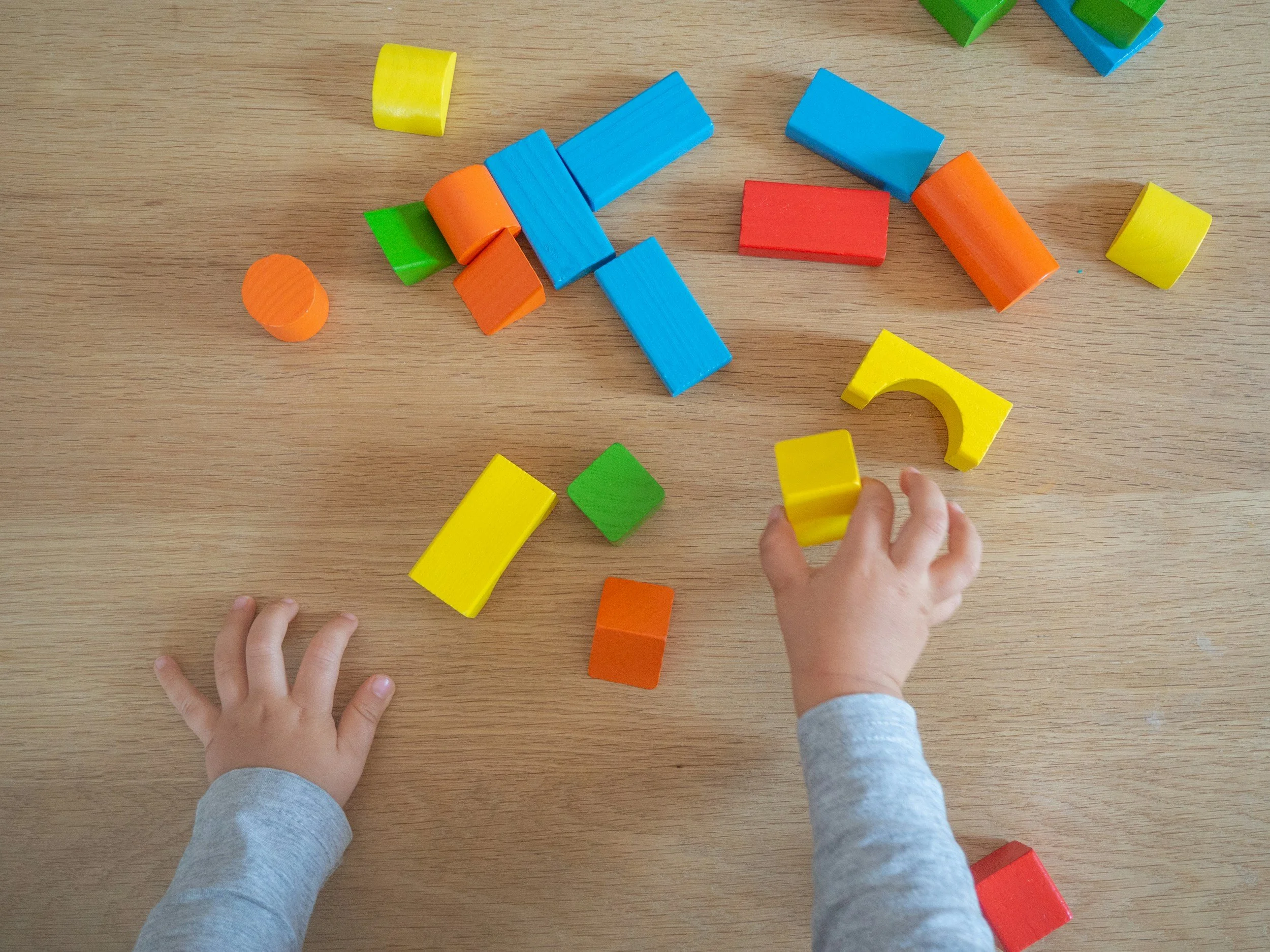
What actually happens in a play therapy session
With younger kids, I use play therapy in San Jose. Which sounds simple but isn't.
Play is how children process what they can't yet put into words. When a child picks up a figure and starts telling a story, when they build something and knock it down, when they go quiet over the art table, they're communicating. About what happened, about what they're afraid of, about what they need.
They just can't say it out loud yet. Play is the language that comes before words.
In a play therapy session, I'm not directing your child toward the right answer or steering them through an agenda. I follow them. I watch what they pick up, what stories they tell, how they use the space. And I'm listening in a way that most adults (even really good, really present adults) don't have the training to do.
What I've seen, over and over, is that when children feel genuinely seen and understood, the behaviors that worried you start to shift. Not because I fixed something. Because they didn't need those behaviors anymore. The meltdowns, the aggression, the anxiety, the shutting down: so much of that is communication. When the communication gets heard, it changes.
When something happened before they had the words for it: trauma and attachment based therapy
Some of the children I work with came from hard places. Early loss. Disrupted attachment. Foster care, adoption, abuse, neglect: experiences that happened before they had the language or understanding to make sense of them. Those experiences live in the body in a way that doesn't just go away because life got better.
But I also work with kids who came from good homes, loving families, stable environments, and who are still carrying something. Because trauma isn't only about what happened. It's about what the nervous system learned in response to it.
And children's nervous systems are still forming. They absorb things. They store things. And sometimes they need help integrating what they've absorbed.
Child trauma therapy works well here because it doesn't require your child to sit and talk about it directly. The processing happens through the play itself: through storytelling, through figures, through the sandtray. They can approach what happened at their own pace, in their own language, without anyone forcing a conversation they're not ready for.
I also have specialized training in adoption and foster care therapy. I've spent a lot of my career working with children on the other side of hard early experiences, and it's work I feel called to do.
For the teenager who's gone quiet
Teen therapy looks completely different from what I do with younger kids, and it should.
Most teenagers aren't going to sit across from a stranger and open up. Not because they don't want help, but because they've learned that opening up to adults usually means getting advice, or getting worried at, or getting managed.
Teen sessions at Your Therapy Nook don't look like that. We draw, we play games, we have actual conversations. I spend the first few sessions just getting to know your teen: what they care about, what makes them laugh, what's hard about their specific life right now.
Before every parent session, I check in with your teenager about what they're okay with me sharing. Their trust matters. And protecting it is part of how we get anywhere at all.
The teens I work with are carrying a lot:
- anxiety
- depression
- academic pressure
- identity
- relationships
- the specific weight of growing up in one of the most high-achieving environments in the country.
I use Brainspotting for the stuff that's hard to verbalize, which with teenagers is often most of it.
You're part of this too: parent coaching and support
Every family gets parent coaching every four weeks, in every case. Not optional, not an add-on.
Because what happens in 50 minutes with me can't live only in my office. You're with your child the other 167 hours of the week. You matter in this.
Parent sessions aren't a report card. I'm not going to hand you a list of things you did wrong. We talk. I share what themes I'm seeing in session, you tell me how things are going at home, and we figure out together what to try.
Over time the shift isn't just in your child. It's in how you're reading them, how you're responding, how much more often you can get on their wavelength before everything escalates.
That shift, the one where you start connecting instead of reacting, is when parents say things like "there's joy in our family again." That's the goal.

Why this practice exists, and why we built it in Redwood City
This practice was built for one thing. Not children and adults and couples and whoever calls on a Tuesday. Just children and teens, which means every part of how I work was designed specifically for families.
The room has pillow fort vibes. Toys, art supplies, a sandtray, books, games. All therapeutic tools, not decoration. The waiting area is warm and quiet, the kind of place where a parent can actually take a breath. No clinical sterility. No feeling like something is wrong with your child just for being here.
I grew up in Redwood City. I spent my 20s in foster care advocacy before I ever went to graduate school. I went to grad school specifically to work with children on the other side of hard early experiences. That's where this practice came from.
We have two offices: our San Jose therapy office at 2901 Moorpark Ave, Suite 270, and our Redwood City therapy office at 611 Veterans Blvd, Suite 210. The philosophy is the same at both.
Your child doesn't need to be fixed. They need to be seen. And you don't need to be judged. You need to be supported.
Who we work with and what we help with
I see children and teens ages 3 to 17 for:
- Anxiety in children and teens: the bedtime fears, the school avoidance, the constant what-ifs that no amount of reassurance touches.
- Big feelings and behavioral struggles: the meltdowns, the aggression, the explosive reactions that exhaust everyone.
- Trauma and attachment: including adoption and foster care, and early experiences that left a mark.
- Divorce and family transitions: someone outside the conflict, where your child can play out what they can't say to either parent.
- Teen anxiety, depression, and perfectionism: with Brainspotting available for what's hard to put into words.
- LGBTQ+ affirming therapy: for kids and teens figuring out who they are.
Have questions? Check out the FAQ page or read more about child therapy at Your Therapy Nook.
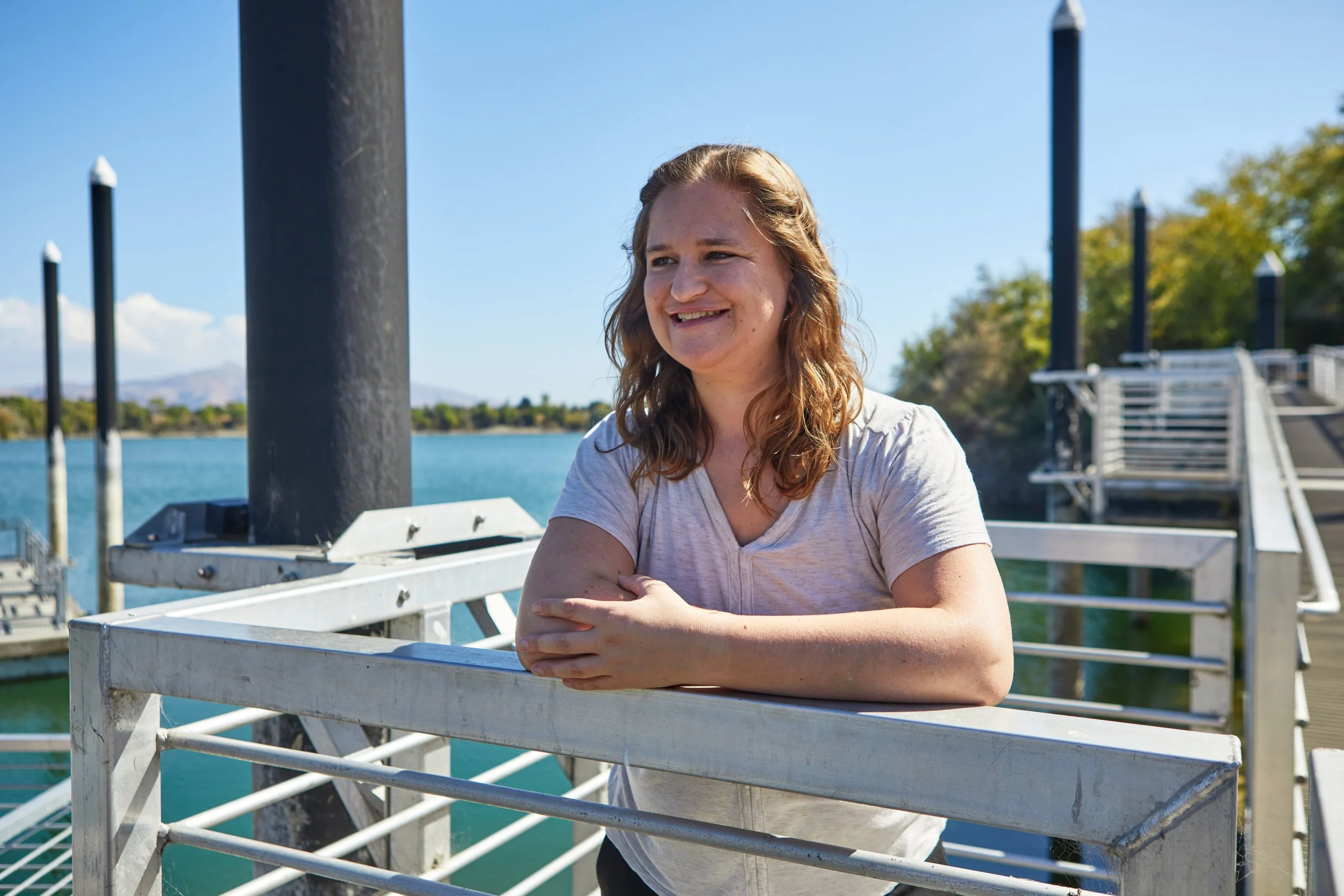
Ready to talk? Schedule a Free Consultation
If something in this post felt familiar, if your family is in one of those hard seasons and you've been wondering whether it's time to get some outside support, I'd love to hear from you. I’m Hannah Ly, a child and teen therapist in Redwood City and San Jose. I do therapy with children and teens, and with younger kids that means play therapy that follows your child's lead. Children need to be seen and heard for what they're struggling with. My motto for therapy is “connection before correction,” and every session here is built around it.
The first step is a free 15-minute call. We talk about what's going on, you ask whatever you want to ask, and we figure out together if this is the right fit. If it isn't, I'll point you somewhere that is.
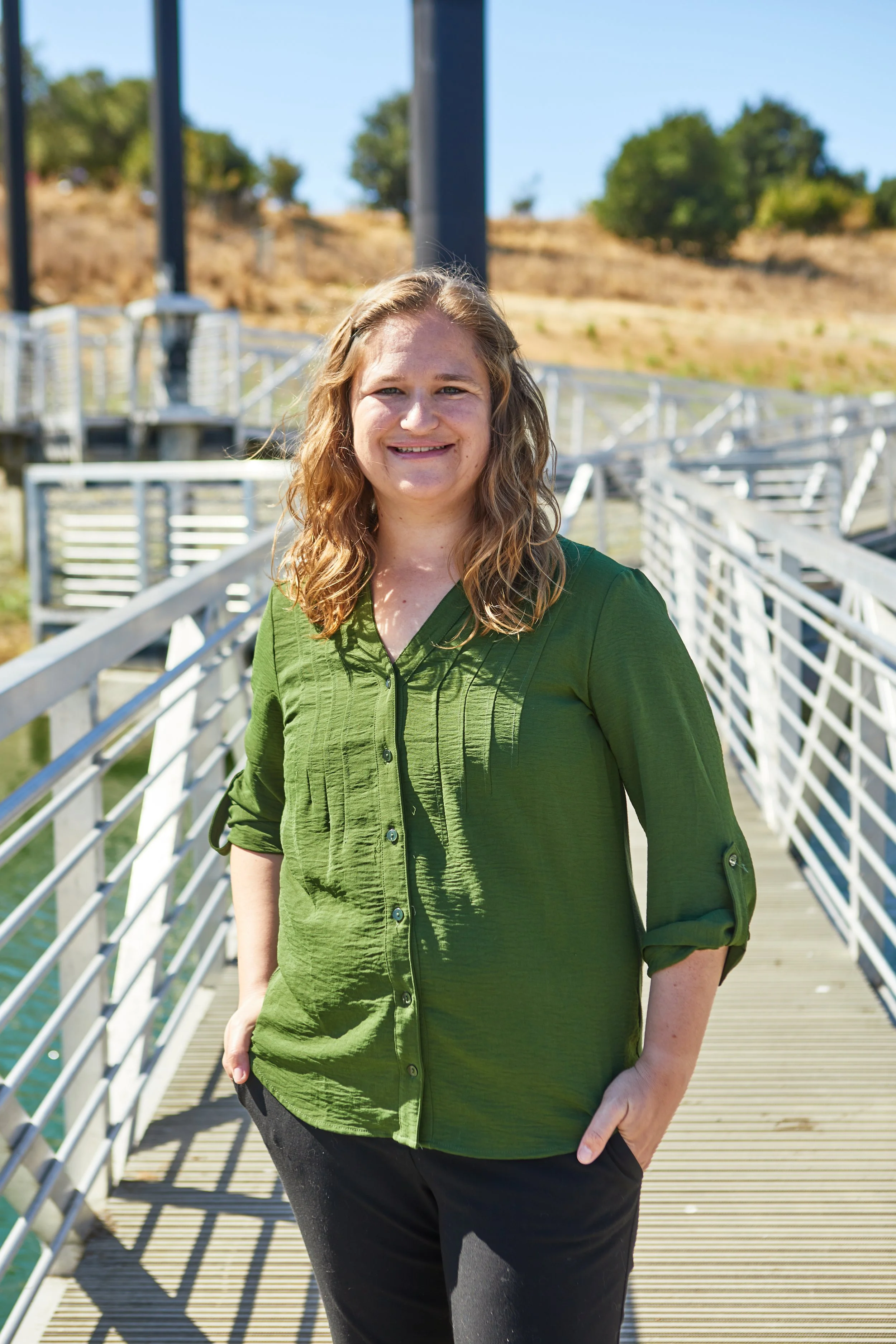
About the Author: Hannah Ly, Child and Teen Therapist in Redwood City
Hannah Ly is a Licensed Marriage and Family Therapist (LMFT #129711) and founder of Your Therapy Nook, a boutique child and teen therapy practice with offices in San Jose and Redwood City, CA. She specializes in play therapy for children, teen therapy, Brainspotting, and attachment-focused parent coaching. Hannah trained in Synergetic Play Therapy and Brainspotting, and spent her 20s in foster care and adoption advocacy before going to graduate school to work with children on the other side of hard early experiences. She grew up in Redwood City.
Free 15-minute call
If this sounds like your house, tell us what's going on. Hannah does every first call herself.
Book a Free 15-Minute Consultation