Your child has been struggling for a while now.
- Maybe it started with the meltdowns, the kind that seem way too big for what actually happened, that leave everyone in the house shaken and exhausted.
- Maybe it's the school refusal, the stomachaches every Sunday night, the teacher emails that keep coming.
- Maybe you can't even name exactly what it is, just that something is off, and you've felt it for months, and the books and the strategies and the breathing exercises aren't touching it.
And you live on the Peninsula. Which means you are already doing everything. The schedules, the enrichment, the pediatrician follow-ups, the conversations with the school counselor. You're paying very close attention and running out of road.
So you've decided to find a therapist. And now you're staring at a wall of Psychology Today profiles that all say roughly the same thing: compassionate, evidence-based, specializing in anxiety, depression, ADHD, trauma, and life transitions. Every single one.
Finding a child therapist on the Peninsula isn't just about finding someone licensed and available. It's about finding someone who has built their entire practice around children. That's a much shorter list than it looks like. This guide will help you find them.
Why Specialization Matters When Choosing a Child Therapist on the Peninsula
The Peninsula has no shortage of therapists. Palo Alto alone has dozens. Menlo Park, Redwood City, and Atherton are well covered too.
But most of those therapists see everyone. Adults, couples, teens, kids: whoever needs an appointment on a Tuesday afternoon.
When your seven-year-old is having explosive meltdowns at school, or your nine-year-old hasn't slept through the night in months, you don't want someone who fits children into a general caseload. You want someone whose entire professional world is children.
The difference is real:
- A therapist who only sees kids has a therapy room built for kids, not just a corner with a few toys
- They track a child's body language, play themes, and nervous system in real time
- They understand child development well enough to know what's age-appropriate and what's worth paying close attention to
When searching for a child therapist in Redwood City or anywhere on the Peninsula, specialization is the first filter.
How to Tell If a Child Therapist on the Peninsula Actually Specializes in Kids
This is the question most parents don't know to ask.
A lot of therapists list children as a population they serve. That doesn't mean children are what they do. Look at the full profile.
If a therapist sees adults, couples, teens, families, and children, then children are one item on a long menu. You can often tell more by what a therapist explicitly doesn't do than by what they say they do.
A therapist who says "I only work with children and teens" is telling you something. So is a therapist who says "I see clients of all ages."
Here's something worth knowing: licensure level doesn't automatically equal specialization.
A fully licensed therapist who sees adults, teens, and kids is not the same as an Associate Marriage and Family Therapist (AMFT) or Associate Clinical Social Worker (ACSW) working in a practice built entirely around children.
The associate is still completing supervised hours. But if they're doing all of those hours with kids, in a child-specific environment, learning child-specific approaches, that experience is far more relevant than a licensed generalist who keeps a few child slots open on the side.
What to look for
- A caseload that is primarily or exclusively children
- A physical space that reflects that, not a generic adult therapy office with a toy shelf
- A clinical supervisor or practice owner who specializes in child and adolescent work
Ask who their typical client is. The answer tells you everything.
What a Good Child Therapist Knows About How Kids Process Emotion
This matters more than any specific technique or modality.
Children don't process emotions the way adults do. They don't have the verbal capacity, the self-awareness, or the neurological development to sit across from someone and talk through what's happening inside them. Asking a six-year-old to explain why they're anxious is a little like asking someone to describe a dream in a language they're still learning. The words aren't there yet.
A good child therapist knows this. They meet children where they actually are:
- through play
- through drawing
- through storytelling
- through the sandbox
- through whatever the child reaches for.
The child leads. The therapist follows and tracks what the child is showing them.
When talking to a potential therapist, ask:
How do you work with children this age?
A therapist who understands child development will describe following the child, reading what the child brings into the room, working with what the child offers. A therapist trained primarily in adult approaches might describe something that sounds more like a smaller version of adult therapy: structured questions, psychoeducation, coping skills worksheets.
Both can work for an older adolescent. For a younger child, the fit matters enormously.
How Should a Child Therapist Involve Parents? What to Ask Before You Start
This trips a lot of families up, because expectations are rarely made explicit upfront.
Some therapists work entirely with the child and give parents occasional updates. Others build structured parent sessions into the model. Many play it by ear.
None of these is inherently wrong. But you should know what you're signing up for.
Families make the most progress when parents are included. Not because parents are the problem, but because the child's growth doesn't live only inside the therapy room. If what happens in session never connects to what happens at home, progress is slow and fragile.
I build parent coaching into every case, every four weeks. Not optional. A core part of how this works. Parents who came in skeptical (already stretched thin, wondering if they had time for one more thing) are usually the ones who tell me later those sessions became the part they looked forward to most.
Ask any therapist directly:
What is your model for keeping parents involved?
The answer will tell you a lot.

What to Ask a Child Therapist About Their Approach, Beyond Credentials
Credentials tell you what someone has studied. Philosophy tells you how they actually think about your child.
The question to ask on any consultation call:
How do you understand children's behavior?
A therapist who talks about reducing behaviors and building compliance is thinking about behavior as the problem. My frame is different: behavior is communication. When a child is hitting, melting down, or shutting down completely, they're telling you something they can't say with words yet. The job isn't to train those behaviors out. It's to understand what they're communicating.
When children are seen and understood, the behaviors that brought them into therapy often become less necessary on their own. Not because someone eliminated them. Because the child doesn't need them anymore.
Questions to Ask a Child Therapist on the Peninsula Before Committing
Most therapists on the Peninsula offer a free 15-minute consultation. Use it.
A good consultation is a real conversation. The therapist should ask meaningful questions about your child, your home, what you've already tried, what you're hoping for. Walk away knowing whether this person understood your child as a person, not a presenting concern.
Questions worth asking:
- What does a typical session look like for a child my kid's age? You want a specific answer: what the room looks like, what the child does, what the therapist is doing while the child plays or draws. Vague answers aren't a good sign.
- How do you decide what to focus on in session? A child-led therapist will tell you they follow the child. A protocol-driven therapist will describe a curriculum. Both can work, but they're very different experiences for a five-year-old.
- What do you share with me after sessions, and how? You deserve to know what's happening. The answer shouldn't be "nothing," and it shouldn't be a clinical report either. You're looking for someone who can translate what they're seeing into something useful for you at home.
- What does progress look like, and how will I know when it's happening? Progress in child therapy isn't always obvious from the outside. A good therapist can describe what they're watching for and what parents typically start to notice at home.
- Who makes up most of your caseload? If the answer includes a long list of adult populations, ask follow-up questions. Specialization shows in the numbers.
- What's your availability and cancellation policy? Consistency matters enormously in child therapy. A therapist who is frequently unavailable or hard to reach is a real problem for young kids.
And some logistics worth nailing down upfront:
- How often do sessions occur?
- Is the location realistic for your schedule?
- Are sessions private pay, and what's the rate?
Many experienced child therapists on the Peninsula are private pay. I am. That deserves a direct conversation, not a surprise later.
Red Flags to Watch for When Choosing a Child Therapist on the Peninsula
- They can't describe their approach in plain language. If a therapist can only explain what they do in clinical terms, and can't give you a clear picture of what a session actually looks like for a seven-year-old, that's worth noting.
- Their caseload is mostly adults. A therapist who mainly sees adults but keeps a few child slots open is not the same as a therapist who specializes in children. Ask directly.
- They leave you completely in the dark. Your child deserves privacy. But "you won't know what's happening" isn't collaboration. It's a black box.
- Your child never wants to go back. Some early resistance is normal. But if your child is still deeply resistant after a month of consistent sessions, it's worth asking whether the fit is right.
How to Know When You've Found the Right Child Therapist for Your Kid
There are some things you can feel in a consultation, and some things you can actually listen for.
- The good ones are easy to understand. They don't hide behind jargon. They can tell you in plain sentences what they do in a session with a six-year-old and why. If you walk away from a consultation confused about their approach, that's information.
- You can tell they actually like kids. This sounds obvious but it matters. The therapist who lights up a little when you describe your child, who talks about the kids they see with real warmth, who says "oh, that's so interesting" when you describe what your child does, is different from the one mentally taking clinical notes while you talk. Kids feel that difference immediately. Little ones especially. They will not open up for someone who is merely professionally interested in them.
- They say something true about your child. Something that makes you go: yes, that's exactly it. Not because they've gathered enough information, but because they're genuinely curious and paying attention. That moment, when a therapist reflects something back that matches what you already know but haven't been able to say: trust it.
- Your child asks when they get to go back. This is the clearest sign of all.
See a Child Therapist in Redwood City, Serving Families Across the Peninsula
Your Therapy Nook is now open in Redwood City at 611 Veterans Blvd, Suite 210, easy to reach from Palo Alto, Menlo Park, Atherton, and across the Peninsula.
This practice works exclusively with children and teens ages 3 to 17. I use child-led play therapy for younger children and Brainspotting for older kids and teens, with parent coaching every four weeks built into every case. I work with families dealing with anxiety, meltdowns, divorce, trauma, adoption and foster care, school refusal, and big feelings. All sessions are in-person. Private pay.
Schedule a free 15-minute consultation. We'll talk about your child and figure out together if this is the right fit.
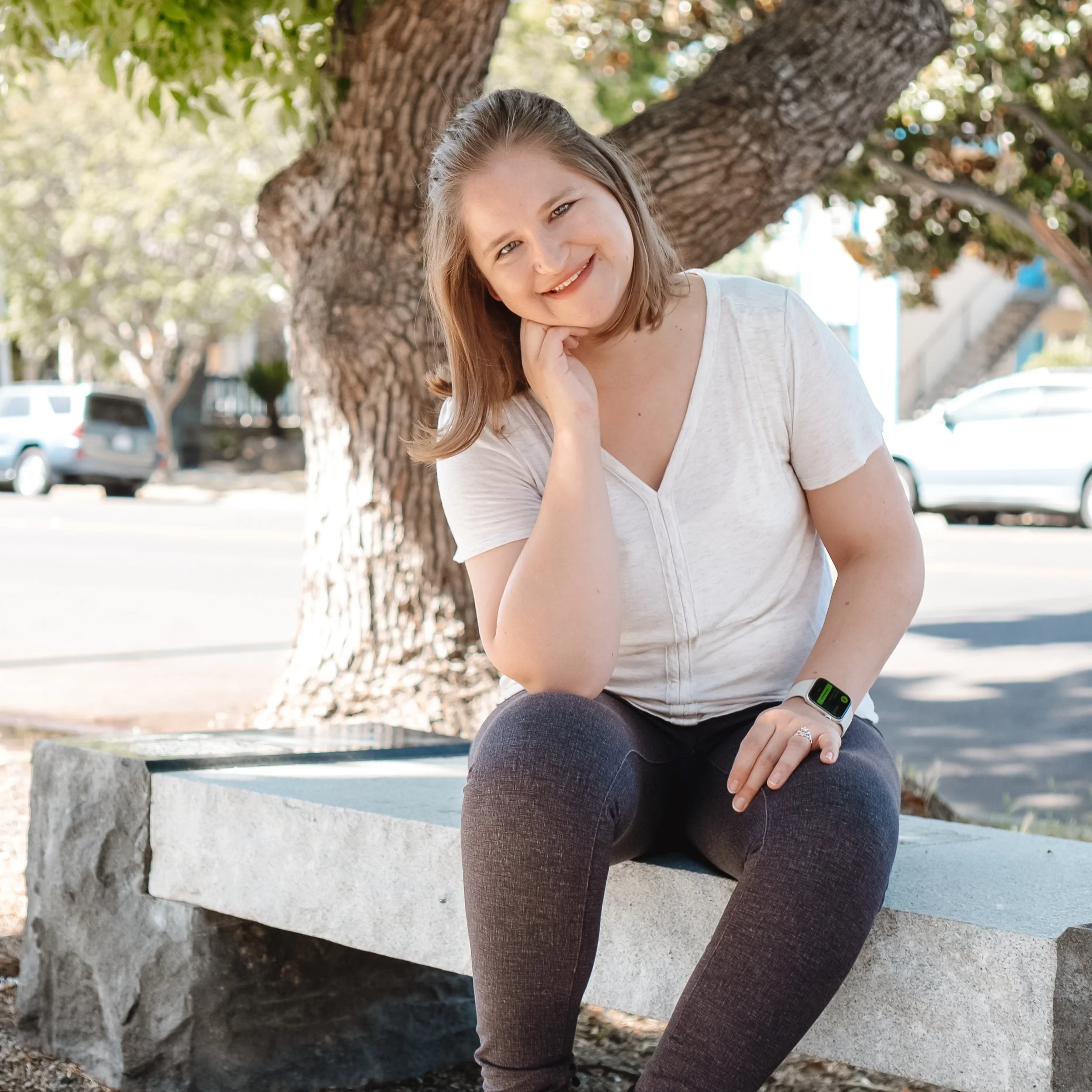
About the Author: Hannah Ly, Child Therapist in Redwood City and San Jose
Hannah Ly is a Licensed Marriage and Family Therapist (LMFT #129711) and the founder of Your Therapy Nook, a child and teen therapy practice with offices in Redwood City and San Jose. She works exclusively with children and teens ages 3 to 17, specializing in child-led play therapy, Brainspotting, and parent coaching.
Her clinical training includes Synergetic Play Therapy and Brainspotting, rooted in years of adoption, foster care, and attachment work. She believes children don't need to be fixed. They need to be understood.