
Published by Hannah Ly, LMFT, founder of Your Therapy Nook
You've done the research. You've read the profiles. You've narrowed it down to a practice that specializes in children, has the philosophy you were looking for, and feels like it was built for exactly what your family is going through.
And then you notice the therapist has an associate license. Not fully licensed yet. Still supervised.
You hesitate.
I get it. When it comes to your child, you want the most experienced, most credentialed person in the room. That instinct makes sense.
But the question most parents are actually asking ("is this person qualified to help my child?") and the question they're using to answer it ("are they fully licensed?") are two different questions. And mixing them up can lead families away from exactly the kind of specialized care their child needs.
What a License Actually Tells You, and What It Doesn't
When a therapist becomes fully licensed, as an LMFT, LCSW, or MFT, it means they've logged the required clinical hours, passed an exam, and met their state board's requirements. That matters. It's a real threshold.
But here's what it doesn't tell you: what those hours were spent doing. Or who they were with.
A therapist can become fully licensed having spent most of their clinical time with adults. Couples. College students. People going through career changes or grief or relationship stress. And once they're licensed, they can see whoever walks through the door, including children.
Licensure certifies hours and a passed exam. It says nothing about children specifically.
So when a parent searches for a child therapist, they're comparing two things that don't actually map onto each other. A licensed therapist isn't automatically specialized in children. An associate therapist isn't automatically less qualified to work with your child.
Those are two different questions.
The Question That Actually Matters: Who Does This Therapist Work With?
If you needed surgery, you'd want a surgeon who had done that procedure many times, not just someone board-certified who mostly operates on something else.
A credential sets the floor. Specialization is what builds real depth.
Most associate therapists in California work in community mental health, schools, or group practices where they see whoever walks in: adults, teens, kids, couples. A mixed caseload while collecting hours toward licensure. That's how most of the field works.
That's not how it works at Your Therapy Nook.
Every therapist at our practice sees children and teens only. Not adults. Not couples. Not a mix. Every session, every week, is a child or a teenager. The therapy rooms are built for them. The model is built around their families.
- The therapy rooms are built for children
- The parent coaching model is built around families
- The clinical philosophy (child-led, attachment-focused, connection before correction) applies to every case, every therapist, every door
An associate logging all of their hours in that environment builds child and teen depth that a licensed generalist who "also sees kids" simply doesn't have. The credential looks different on paper. The experience is a different story.
"An associate here isn't a generalist-in-training. Every hour they've worked has been with a child or a teenager. That's the whole job."
Hannah Ly, LMFT
Two Therapists on Every Case
This part doesn't come up enough.
Supervision isn't a liability. It means your child's case has two therapists thinking about it.
In California, associates are required by the BBS to receive regular individual supervision from a licensed therapist. At Your Therapy Nook, that's me. We go over cases weekly. So when your child is with one of our therapists:
- Two sets of eyes are on what's happening in that room
- The therapist who was just with your child and the licensed founder of the practice are both thinking about your child's care
- Nothing gets processed in isolation
A licensed therapist in solo practice has no equivalent requirement. They're working from their own training and their own judgment, which is fine. That's what licensure authorizes. But supervision isn't a step down from that. It's more coverage, not less.
Most parents, once they hear it that way, feel better about it.
Who We Hire, and Why It Matters More Than a License
We don't hire for credential level. We hire for fit.
Every therapist who joins this practice is someone who chose children on purpose. Not as a stepping stone. Not because the hours were available. Because this is the population they care about. What we screen for:
- Genuine pull toward working with kids and teenagers: the ones who find this population energizing, not exhausting
- Comfort following a child's lead in session rather than running toward a protocol
- The belief that play is how young children process the world, not something to move past once the "real work" starts
- Enough self-awareness to stay present in the room with a six-year-old who's throwing blocks at the wall and not take it personally
A therapist who walks in with all of that and an associate license will do better work with your child here than a licensed therapist who mostly sees adults but keeps a few child slots open.
It's not a close call.
What we're looking for is someone who would have landed here even if kids were the harder choice. Someone whose first instinct in a playroom is curiosity. That person, whatever their credential, is who we want in the room with your child.
Questions Worth Asking on Any Consultation Call
If you're talking to us or to someone else, these are the questions that will actually tell you what you need to know:
- Do you work exclusively with children and teens, or is your caseload mixed?
- What does supervision look like? How often, and with whom?
- What do you do when a child shuts down and won't engage?
- Walk me through what a first session with a seven-year-old actually looks like in your office.
The answers will tell you more than a license ever could.
Come Find Out If We're the Right Fit
Child and Teen Therapy in San Jose and Redwood City for South Bay and Peninsula Families
Your Therapy Nook is a child and teen therapy practice with offices in San Jose and Redwood City. We see children and teenagers ages 3 to 17, and we work with their parents every step of the way.
No adults, no couples, no split focus. Every therapist we hire, every room we built, every part of the model was designed around one thing: helping children feel safe enough to show someone what's actually going on inside.
We see kids for anxiety, big feelings, meltdowns, school struggles, behavioral challenges, divorce and custody transitions, trauma, and adoption. The stuff that shows up at drop-off, at bedtime, and in the school emails you dread opening.
For younger children, that looks like play therapy: child-led, child-paced, with a therapist whose job is to follow them into their world and make sense of what they're showing.
For teenagers, it looks like real conversation, drawing, games, Brainspotting, whatever builds enough trust for them to actually talk.
For parents, it looks like parent coaching every four weeks, built into every case, where you find out what's happening in that room and what you can try at home.
- Weekly individual sessions: 50 minutes where someone's only job is to see your child
- Parent coaching every four weeks: every case, every family, on the calendar. You are not on the outside of this.
- Two locations: San Jose and Redwood City, serving families across the South Bay and Peninsula
What makes this practice different isn't any one thing on that list. It's that nobody here does anything else. Your child isn't sharing a practice with adults in crisis or couples working through their marriage.
The waiting room was designed so siblings have something to do. The therapy room has a sandbox and art supplies and puppets and a pile of books a kid can actually choose from. Parents walk in and feel it before anyone says a word.
When a child feels seen, the behaviors that scared everyone often start to change. Not because someone corrected them out of it, but because the child doesn't need them anymore.
If you're looking for a child therapist in San Jose, a teen therapist on the Peninsula, or a play therapist who will keep you in the loop, call us. A free 15-minute consultation is where it starts.
Schedule a Free 15-Minute Consultation
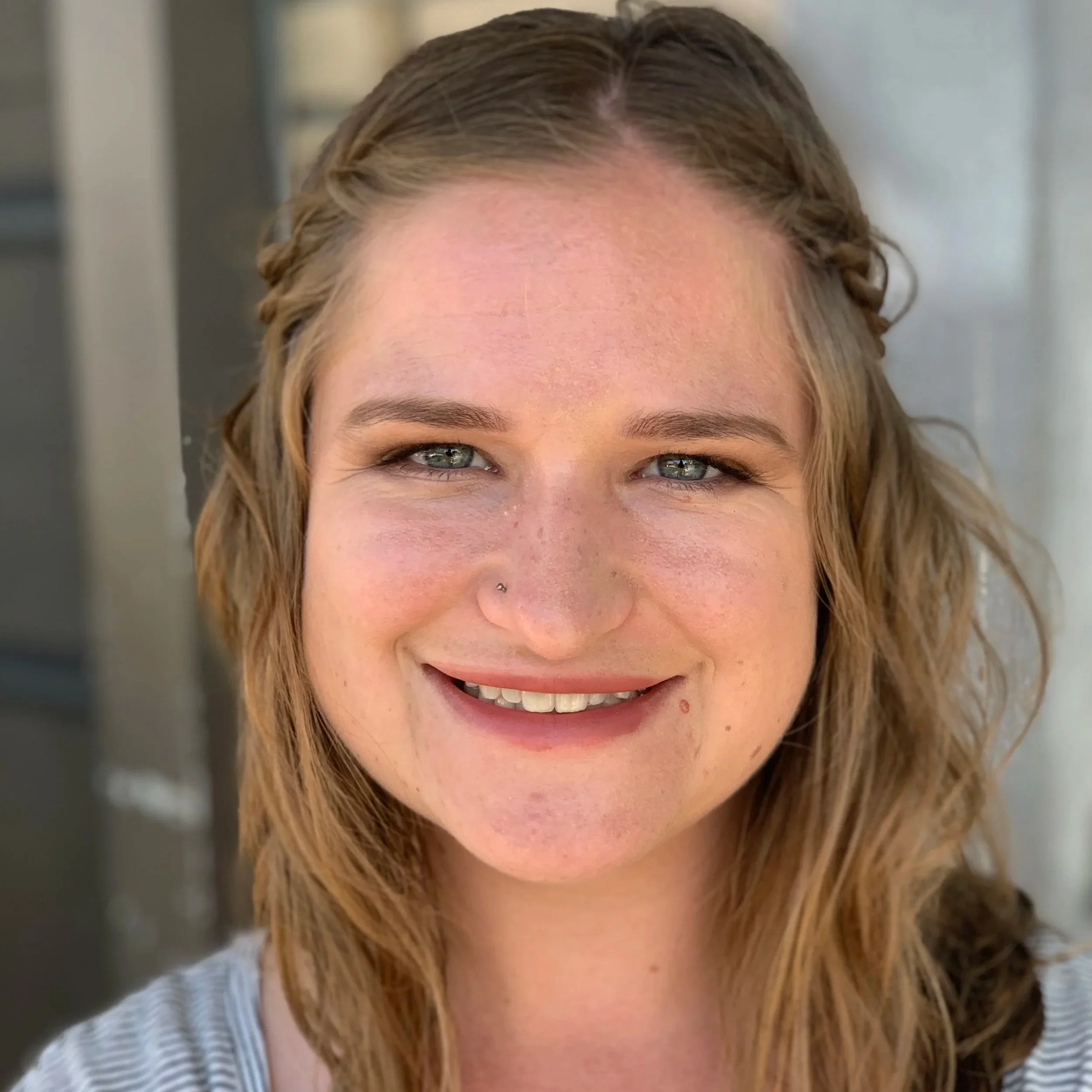
About Hannah Ly, LMFT
Hannah Ly is the founder of Your Therapy Nook, a child and teen therapy practice in San Jose and Redwood City, CA.
She went to graduate school specifically to work with children after two weeks in a Ukrainian orphanage at 22 changed the direction of her life. She spent her 20s in foster care advocacy, attended national adoption conferences, and got trained in attachment work before ever seeing her first private practice client. The philosophy that came out of that (children need to be understood, not fixed) is the foundation of everything at Your Therapy Nook.
She works with children and teens ages 3 to 17, trained in Synergetic Play Therapy, Brainspotting, and attachment-focused approaches. Every therapist she hires shares that same orientation toward child and teen therapy.
Hannah Ly, LMFT #129711
Clarity with Therapy Family Counseling, PC
hello@yourtherapynook.com | (408) 461-5935
yourtherapynook.com