For a lot of children, putting feelings into words is hard. They may not have the words yet, or the feelings may be too big. Play therapy meets them where they are, with play, which is how children naturally express and work through their emotions. Through play, kids can show what words can’t say.
In San Jose, play therapy gives families a way to support their child’s mental health that fits how children actually communicate. It uses toys, games, and creative activities to help children process complicated emotions and find ways to cope.
My name is Hannah Ly, and as a play therapist in San Jose, I see every week what children can work through when they get to play it out. If you are a parent looking into therapy for your child, it helps to know what play therapy really is and what it can do.
Here are five truths about play therapy, and a few myths worth clearing up.
Key Truths About Play Therapy
1. Play Therapy is a Unique Approach to Child Therapy
Play therapy is a form of psychotherapy built for children. What makes it a unique approach is that play, not talking, is how the child communicates.
Children can express their thoughts and feelings freely, without needing the words. As a child plays with toys, games, and art materials, the therapist watches what they do and learns a lot about the child’s emotional world. This matters most for young kids who don’t have the vocabulary for their feelings yet.
Play is a comfortable and familiar place for kids to start, and play therapy also invites creativity and imagination, which can be healing on their own. As children play, hidden feelings often come out, and the therapist can help the child work through them.
2. Play Therapy Has Real Benefits for Children
Research has found that play therapy can help with a child’s behavior, emotional regulation, and social skills.
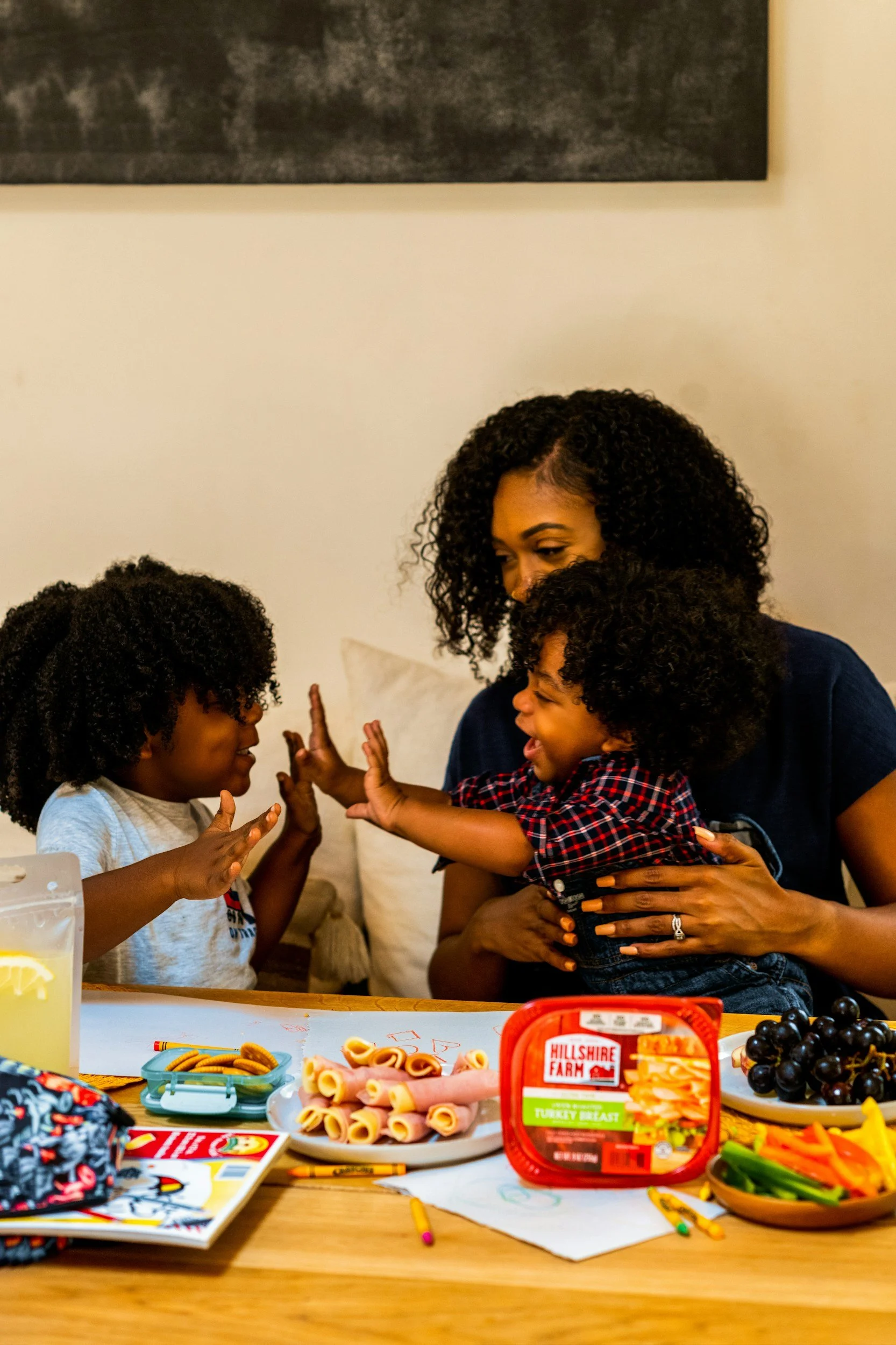
With toys, art, and games, children can express themselves more freely and work through their emotions somewhere safe. Over time, many children find better ways to cope and get along better with others.
Those changes can show up at home, in better family dynamics, and at school, in academic performance, when a child has more room to focus and engage.
What happens in the playroom doesn’t stay in the playroom.
3. Play Therapy is Inclusive for All Children
Play therapy isn’t just for children with a diagnosis. It can help any child who is struggling emotionally or with their behavior. This includes issues such as anxiety, depression, trauma, or adjustment difficulties due to life changes like moving to a new city or family transitions.
In the playroom, therapists give children a safe place to express themselves freely and explore their emotions. Through activities like role-playing, art, and storytelling, children can begin to heal and grow in a way that feels natural and enjoyable to them.
Along the way, children build emotional resilience and get better at communicating and handling complicated feelings.
4. Play Therapy is a Collaborative Process
Play therapy involves collaboration between the child, therapist, and often the family. That can include parent coaching and dyadic interaction (the parent and child working together in session). Children don’t grow up in a vacuum, so the adults around them need to be on the same page.
The therapist sets up the playroom with toys and activities that let children express their feelings and experiences freely.
Bringing in the family gives the child more emotional support, and it makes therapy stronger. Parents can use what they learn in parent sessions at home, which gives the child more consistency between the playroom and the rest of their life.
5. Play Therapy Is a Fun and Engaging Experience for Children
Even though it is serious therapy, play therapy is fun and engaging for children. Kids look forward to it, because games, toys, and creative activities are how they already explore the world.
Through play, children express emotions and thoughts they might struggle to say out loud, and they often open up in ways they wouldn’t sitting across from an adult.
That gives the therapist a way to understand what is underneath and help with it, without the child ever feeling put on the spot.
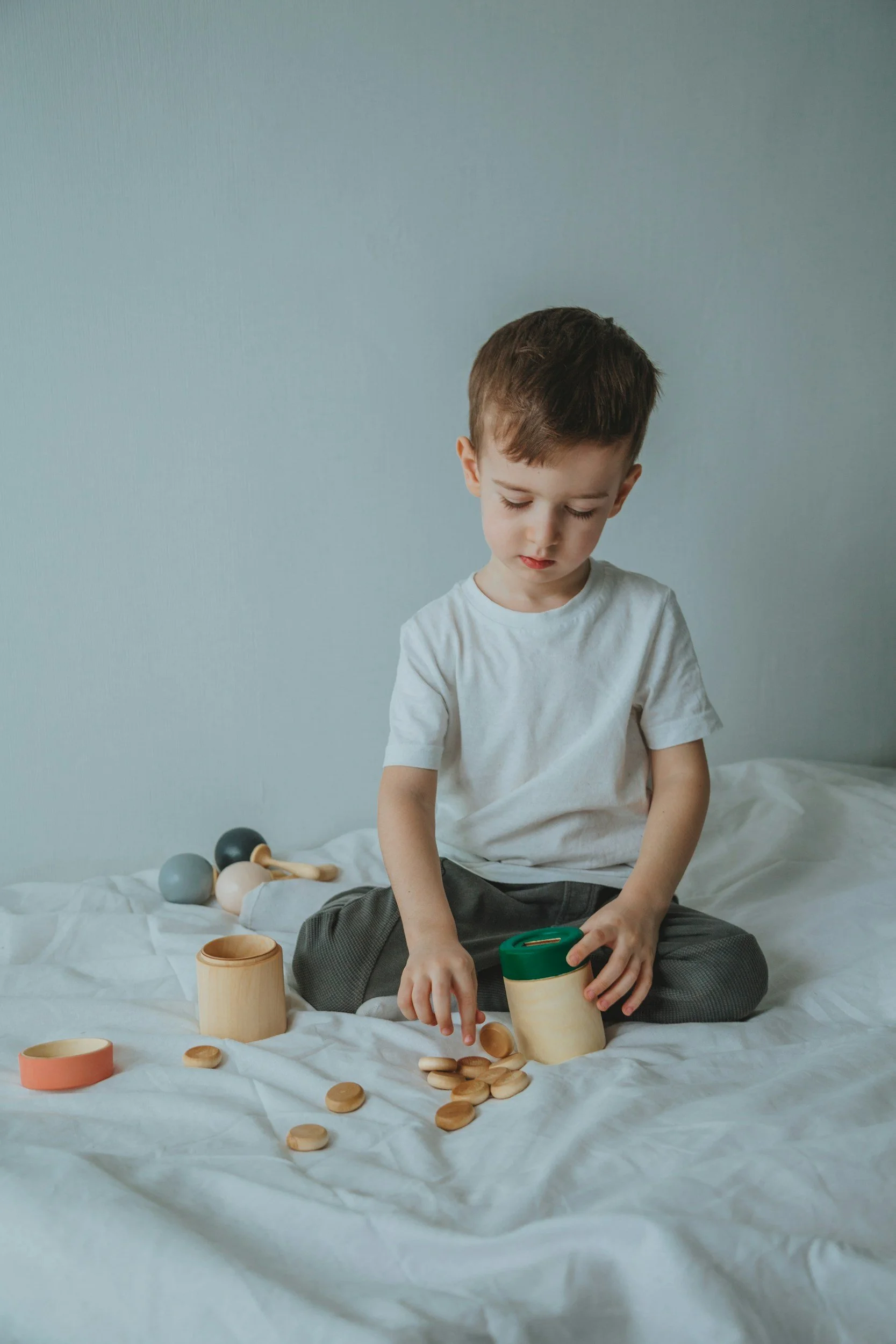
Addressing Common Misconceptions about Play Therapy
Many people mistakenly believe that play therapy is just play, simply a time for children to have fun without any therapeutic purpose.
In reality, it is a deep and engaging kind of therapy that helps children express their emotions, work through hard experiences, and communicate better.
Therapists use play to understand a child’s inner world, and toys, games, and art are how they help.
The point isn’t entertainment. It is real change, like more emotional resilience, changes in behavior, and better relationships with other kids.
Once parents understand that, it is easier to feel confident choosing this kind of therapy for their child, knowing it supports their emotional and psychological health.
Play Therapy Is Powerful: See a San Jose Play Therapist
Play therapy is real therapy for children who are struggling emotionally. It gives children a fun and engaging way to show their feelings, and it is grounded in evidence-based methods.
It may look like just play, but play therapy is a deliberate approach to building emotional resilience and communication. Once you understand what play therapy is doing, it is easier to trust it, even on the days it looks like your child just built a fort.
Play therapy is a powerful way to support children in San Jose. When children have a place to express their emotions through play, real growth and healing can happen, though not overnight.
If you're considering play therapy for your child, remember that it is more than just play. It is therapy in a child’s own language. Talk with a local teen therapist or child therapist in San Jose, or look into parent coaching, to figure out what would help your child and your family most. You can start with me, with a free 15-minute consultation.
About the Author: Hannah Ly, Play Therapist in San Jose

Hannah Ly is a Licensed Marriage and Family Therapist in San Jose. She has her Master’s in Counseling from Western Seminary, and she specializes in play therapy in San Jose for children. She has years of experience in play therapy, helping children explore their emotions through creative, unstructured play.
As a child therapist, Hannah pays close attention to what each child is struggling with and helps them communicate and cope in ways that fit them. She also provides parent coaching, so parents understand what their child is needing and how to support them at home. Families who work with Hannah get a San Jose therapist who genuinely cares about them. If you are looking for a teen therapist or support for a younger child, Hannah is glad to talk with you.
Free 15-minute call
If this sounds like your house, tell us what's going on. Hannah does every first call herself.
Book a Free 15-Minute Consultation