
Watching your child struggle with anxiety, and not knowing how to help, is one of the hardest parts of parenting.
Many parents come to me feeling exactly this.
It is heartbreaking to see your child overwhelmed by worry, stress, or fear, and harder still when you aren’t sure what would actually help. Anxiety can feel like a heavy weight, for your child and for you.
If you’ve been thinking about therapy but the process feels confusing, that makes sense. So we’ve put together answers to the questions parents ask most about anxiety therapy for kids in San Jose.
I’m Hannah Ly, an anxiety therapist in San Jose who works with children. Over the years, I’ve helped a lot of kids and their families through anxiety, and I’ve watched kids build real confidence along the way. If you are deciding whether to take this step for your child, I’m glad to help you think it through.
Our goal with this FAQ is simple: clear answers, so the decision about therapy feels a little less overwhelming.
Here is what parents usually want to know:
What Are the Signs of Anxiety in Children?
It’s natural for children to experience worry or fear occasionally, but persistent and intense anxiety may be a sign of an anxiety disorder. Common signs include:
- Excessive worry or fear about everyday activities.
- Difficulty sleeping or frequent nightmares.
- Physical symptoms like headaches or stomachaches without a medical cause.
- Avoidance of specific situations or places (e.g., school or social events).
- Tantrums, irritability, or difficulty concentrating.
If these signs feel familiar, anxiety therapy could help your child better cope with their emotions and regain a sense of control.
How Can Therapy Help My Child's Anxiety?
In therapy, children get a safe place to:
- Explore and express their feelings without being judged, so they can start to understand and manage them.
- Learn coping skills that fit what they are struggling with, so they have something to do when stress, frustration, or overwhelm shows up.
- Build confidence, so the situations that scare them start to feel more manageable.
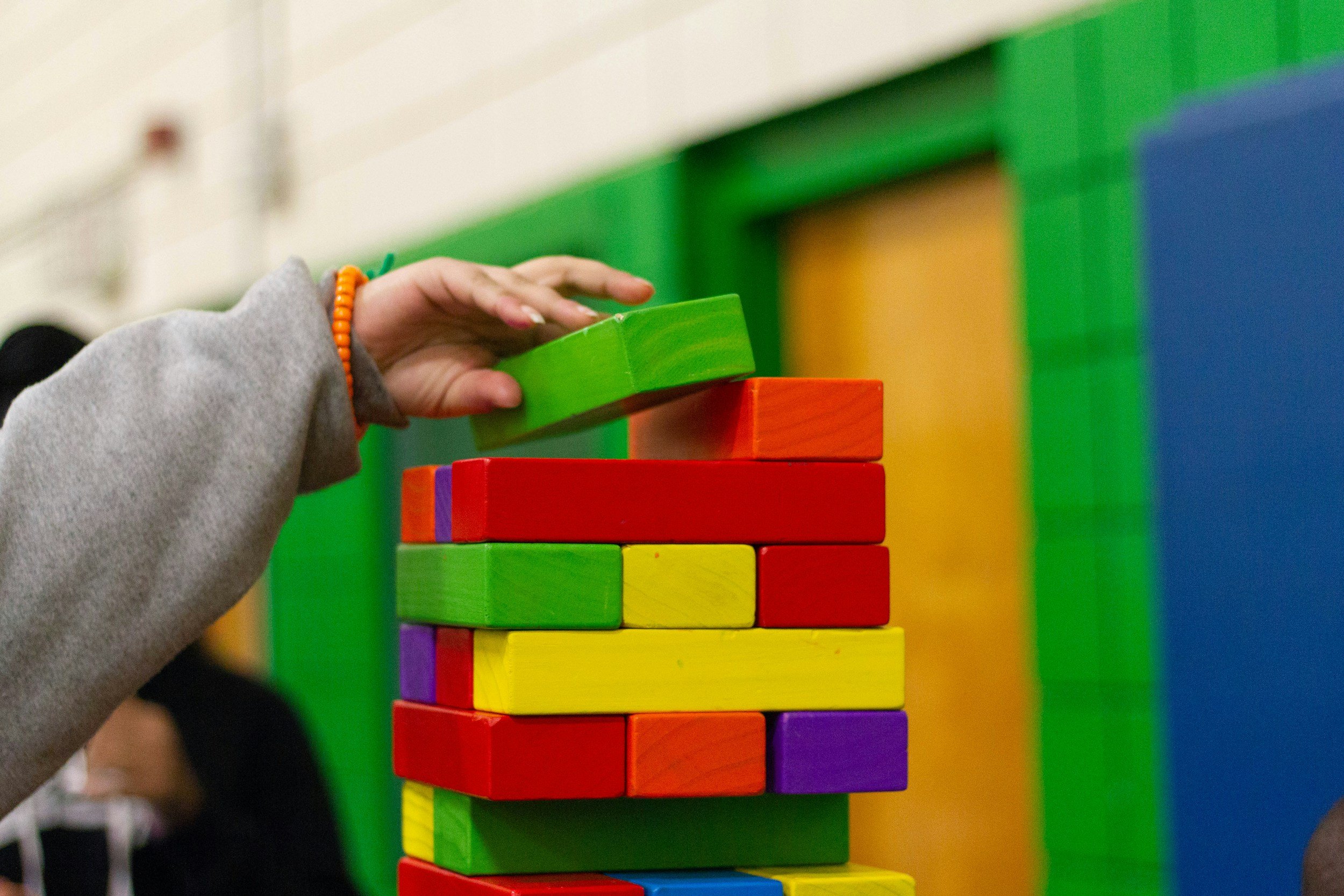
Approaches like play therapy and brainspotting therapy meet children where they are, so they can process emotions in a way that feels natural to them. Play therapy might use toys or creative activities to help children show feelings they don’t have the words for yet. Brainspotting helps them process deeper emotional struggles through focused, mindful attention.
What children learn in therapy doesn’t stay in the therapy room. Over time, it often shows up at home, at school, and in how the family handles hard moments together, especially when parents are part of therapy too. It takes time, and it doesn’t happen in a straight line.
What Types of Therapy Do You Offer for Children With Anxiety?
At my San Jose therapy practice, I use two main approaches with anxious children:
- Play Therapy: Play is a child’s first language. Through games, storytelling, and art, children can explore their emotions and find ways to manage anxiety that feel fun instead of scary.
- Brainspotting Therapy: This approach helps children reach and release deeper emotions tied to their anxiety, at a pace that feels safe. It can help lower stress and bring some clarity to big, confusing feelings.
I also offer parent coaching, so you have practical ideas for supporting your child at home. Anxiety doesn’t only show up in my office, and you are the one there at bedtime and in the school drop-off line.
How Long Does Therapy Typically Last?
Every child is different, so how long therapy lasts depends on what your child is needing, their goals, and how things are going. Most children come for weekly 50-minute sessions for several months.
Some families notice changes within a few weeks or months. Other children need longer, especially when there is more going on.
Those situations take more time, and that is okay.
There is no one timeline that fits every child.
We’ll work closely with you on a plan built around your child’s strengths and what they are needing. In our parent sessions, we’ll check in on how things are going and adjust when something isn’t working.
For more significant challenges, like trauma or a major change in a child’s life, we’ll go at the pace your child is needing, for as long as they need it.
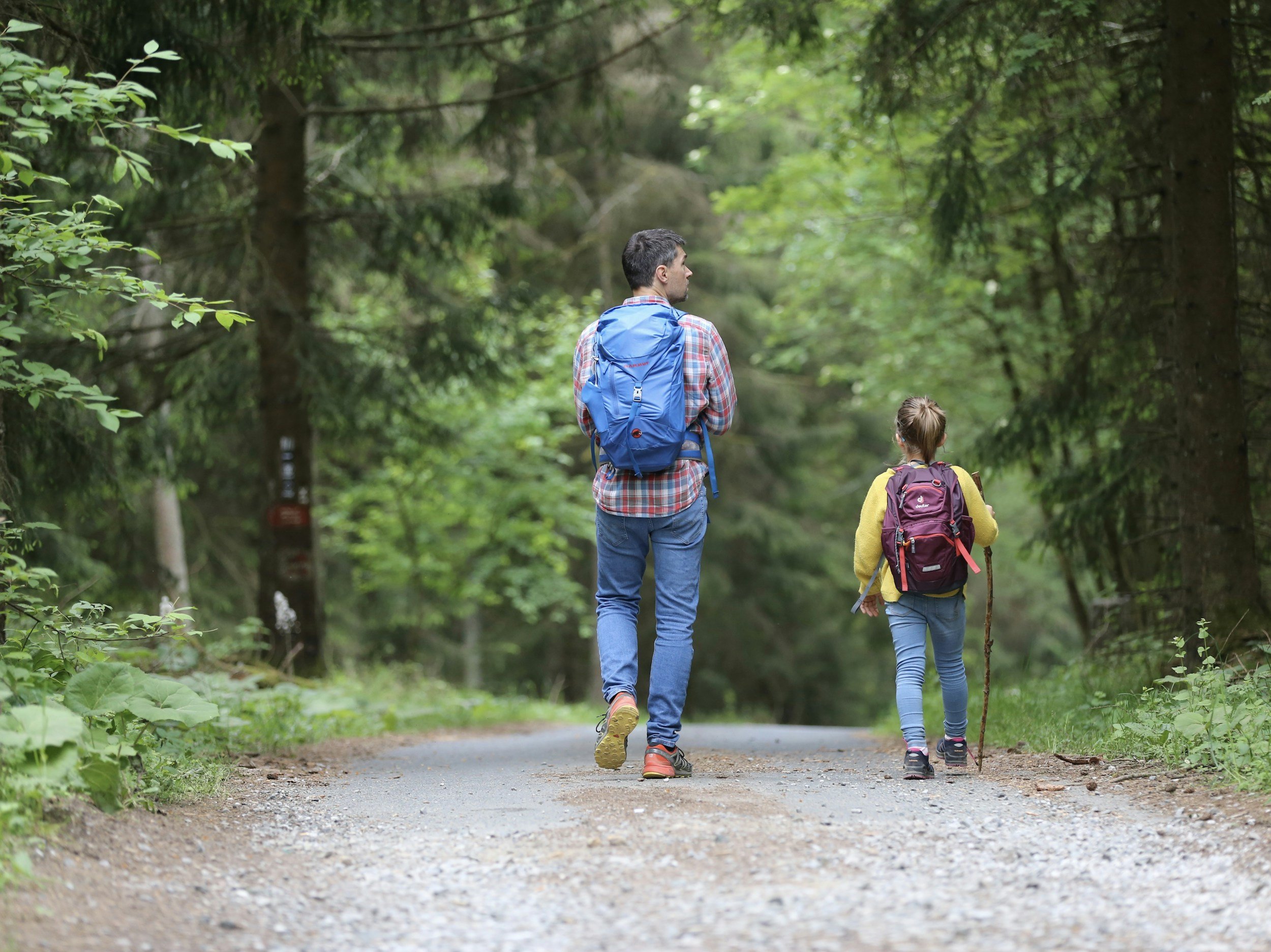
What Is the Role of Parents in the Anxiety Therapy Process?
Parents are a big part of a child’s healing. Even though the sessions focus on your child, I work closely with parents to:
- Share techniques to manage challenging behaviors and situations.
- Provide guidance through collaborative parent coaching.
- Strengthen the parent-child bond, which builds a foundation of trust and security.
When the bond between you and your child is strong, your child feels valued and understood. That feeling of safety is what makes growth possible, in therapy and outside of it. Together, we’ll work on how your child can use what they are learning in therapy in everyday life, at home and at school.
How Do I Talk to My Child About Going to Anxiety Therapy?
Starting therapy can be daunting for kids, but having an open, honest, and positive conversation can help ease their concerns and make the process feel less intimidating.
- Start by explaining that therapy is a safe, even fun place where they can talk about their feelings and nobody will judge them. Let them know it is a place to learn new ways to handle hard things.
- Reassure them that the child therapist is there to help, similar to how a coach helps athletes practice and improve their skills. You can emphasize that the therapist will work with them step by step to make things easier.
- Use age-appropriate language to make the idea of therapy relatable. For younger kids, you might compare therapy to a playdate where they’ll work on understanding and managing their "big feelings." For older kids, you can frame it as a way to get guidance and support when things feel hard.
- Encourage them to ask questions or share any worries they might have about starting therapy, and validate their feelings to build trust and openness.
If you’re feeling unsure about how to start this conversation, I also offer parental coaching to help you feel confident and prepared to guide your child through this important step.
How Do You Create a Safe and Supportive Environment for Kids in Therapy?
Making therapy a place where kids feel welcome and never judged is at the heart of my practice. Here is what that looks like:
- Child-Friendly Spaces: My San Jose therapy office is filled with tools for play, creativity, and exploration. It’s a space where children can feel at ease and have fun while expressing themselves.
- Emphasis on Play and Fun: Play isn’t just an activity. The play is the therapy. Games, art, and imaginative play help children open up, process emotions, and build new skills, and a child who enjoys coming to therapy keeps showing up for it. I want every session to be something your child looks forward to.
- Compassionate Approach: I take the time to build trust with your child, ensuring they feel comfortable sharing their thoughts and feelings.
- Individualized Care: Each child’s therapy is built around who they are and what they are needing.
My goal is for kids to feel more capable and more like themselves, in a way that feels natural and fun.
What Does Anxiety Therapy Cost, and Do You Accept Insurance?
Sessions are $200 to $300 each, depending on which therapist your child sees. I know that is a real cost for families. We don’t accept insurance directly, but we can provide superbills that you can submit to your insurance company for possible out-of-network reimbursement.
Therapy with a child therapist often costs more than general therapy, because working well with kids takes training that not every therapist has.
Final Thoughts: Work with an Anxiety Therapist in San Jose and Schedule Your Free Call Today
I’m Hannah Ly, a child therapist based in San Jose, and many of the kids I see are struggling with anxiety. Through parent coaching and play therapy, I help children and their parents build confidence, one week at a time.
Watching your child struggle with anxiety can feel overwhelming. Therapy won’t make every worry go away, but it can give your child, and you, more ways to handle the worry when it comes.
The first step is a free 15-minute call. Schedule your free call here, and we can talk about what you are seeing and whether anxiety therapy makes sense for your child.
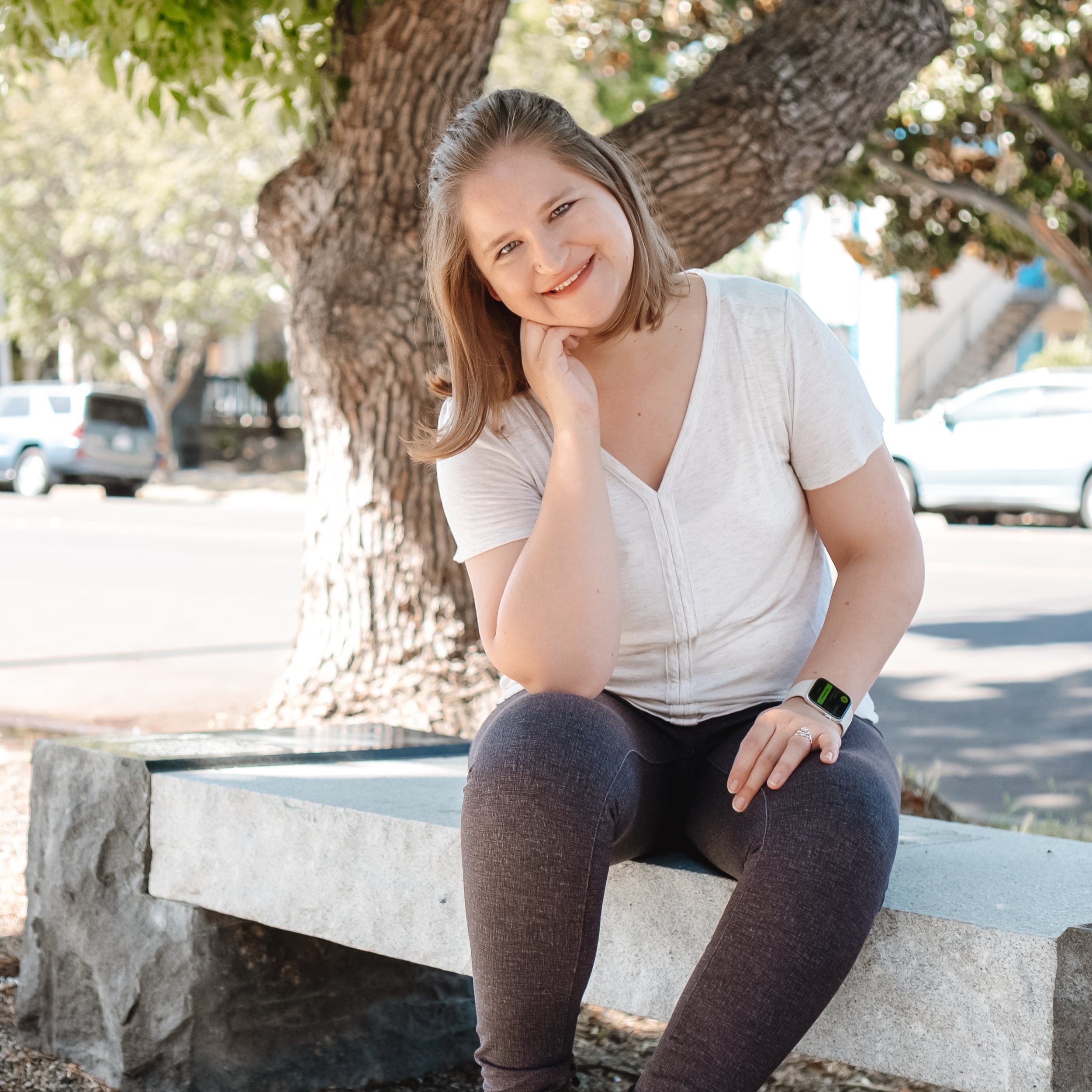
About Hannah Ly: Anxiety Therapist in San Jose for Kids
Hannah Ly is an anxiety therapist in San Jose who helps kids and teens with worry, stress, and fear. She is a licensed marriage and family therapist with a master’s in counseling from Western Seminary. She is a child therapist, teen therapist, and play therapist, and she shapes therapy around each child. She also works as a parent coach, helping parents understand what their child is needing and build a stronger connection at home. If you are looking for support for your child or teen, Hannah is glad to talk with you.
Free 15-minute call
If this sounds like your house, tell us what's going on. Hannah does every first call herself.
Book a Free 15-Minute Consultation