
A lot of kids in San Jose are overwhelmed, anxious, or struggling with big feelings, and a lot of parents are watching it happen and wondering what to do. Life in the Bay Area comes with its own pressures.
Between academic demands and social expectations, it can all feel like too much for a kid. And watching your child’s confidence slip, or seeing them struggle with friendships, can leave you unsure how to help.
I’m Hannah Ly, a child therapist specializing in anxiety therapy for kids in San Jose. I know how hard it is to watch your child struggle with anxiety. Therapy can help them find their way back to more confidence and calm, and I shape it around each child and family I work with.
So, what does anxiety therapy for children involve? It helps kids name their worries, notice what sets them off, and find healthier ways to cope. I use a mix of play therapy, cognitive behavioral techniques, and mindfulness exercises, so children can feel more in charge of their thoughts and feelings, and more secure.
In this article, I’ll walk you through six truths about anxiety therapy for kids: what the process looks like, what it can and can’t do, and where you fit in.
What Is Anxiety Therapy for Kids?
Anxiety therapy for children is built around where they are developmentally. Unlike anxiety therapy for adults, it usually includes play, which makes it feel approachable and even fun for kids.
Through play therapy, children explore their emotions in a way that feels safe, often showing feelings they don’t have the words for yet. Brainspotting can also help children reach and process feelings that are hard to put into words.
What sets anxiety therapy for children apart is how involved parents are. Therapy isn’t only about the child. It is a team effort.
In parent coaching sessions, you get practical ideas for understanding what your child is needing, building a stronger connection, and making home feel steadier.
Children don’t grow up in a vacuum, so when we work together, your child gets the same message in the playroom and at home: you are safe, you are heard, and you can handle hard things.
Truth #1: Therapy Is a Collaborative Process
Parents often worry that just dropping their child off at therapy won’t lead to real change, and that is a fair worry. In my practice, therapy doesn’t happen in isolation. We work as a team (you, your child, and me) on your child’s anxiety, through therapy with your child and parent coaching with you.
Through play therapy, children can learn to express their fears in healthier ways, such as using creative storytelling. At the same time, parent coaching sessions give you ways to calm stressful moments at home. Each piece makes the other one stronger.
When your child starts therapy with me, you won’t be left out. You’ll leave parent sessions with specific things you can try at home, every day.
Truth #2: Play Therapy Speaks to Kids in Their Language
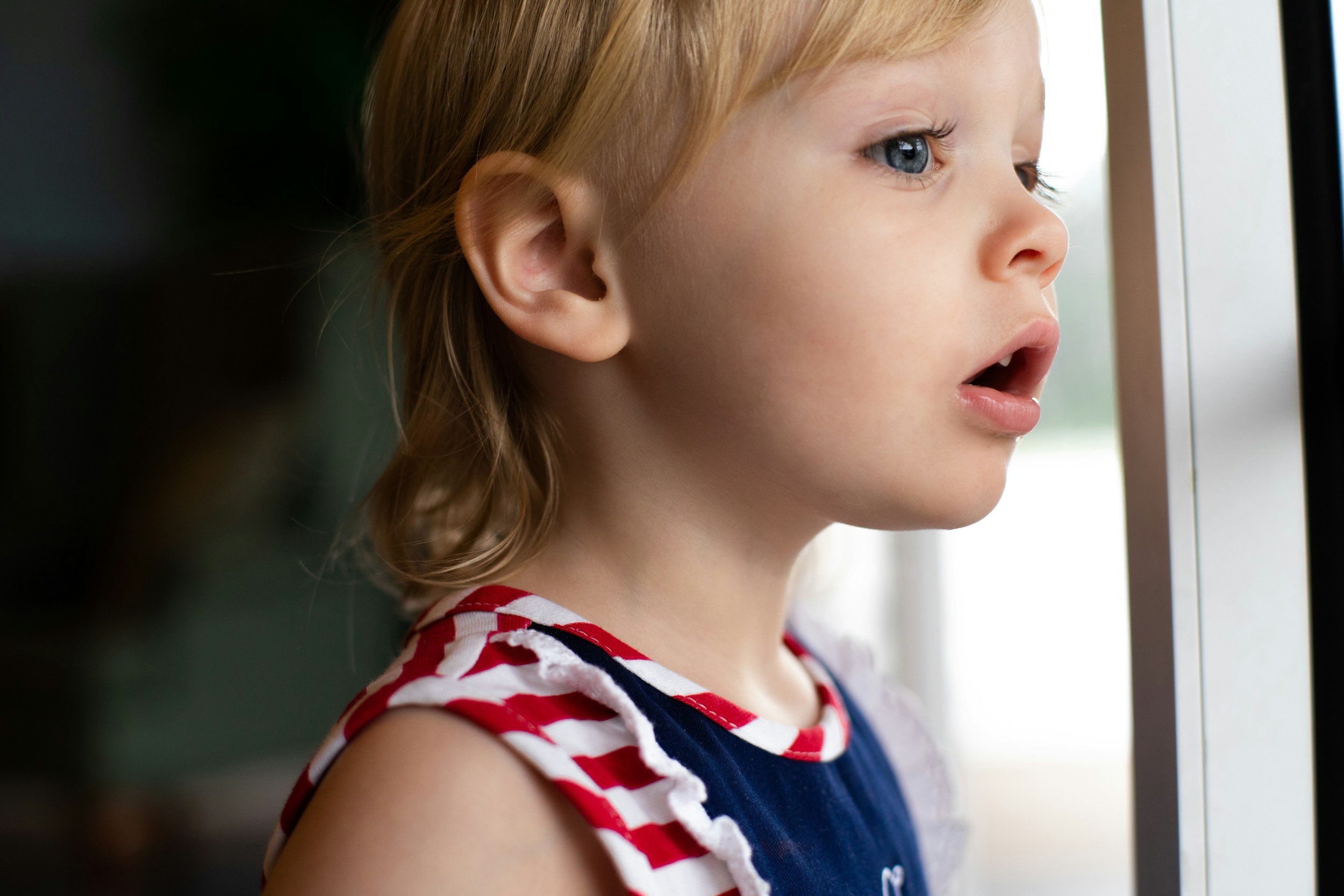
Children often can’t explain their fears in words, and they don’t need to. Play therapy is an evidence-based approach that uses toys, games, and art as the way children communicate.
Recently, I worked with a little girl in San Jose whose anxiety created extreme shyness. She couldn’t explain why she felt so afraid to speak around peers.
Through role-playing with dolls in play therapy, we uncovered her fear of being judged. Using this knowledge, I supported her in building confidence with age-appropriate strategies, and her parents noticed her self-assurance growing at home, too.
At its core, play therapy helps kids process their emotions in a way that feels safe, fun, and natural.
Truth #3: It’s Not About “Fixing” Your Child
One fear I often hear from parents is the belief that therapy is about “fixing” their child. It isn’t. Anxiety therapy isn’t about labeling or blaming. It is about helping your child build resilience and find ways to manage what is hard.
For instance, one parent shared how they hesitated to begin therapy because they felt guilty about their parenting. But during our sessions, they came to see therapy not as an indictment but as a supportive way to strengthen their relationship with their child.
Together, we focus on connection and trust in your family. Helping a child manage anxiety isn’t about changing who they are. It is about helping them use the strengths they already have.
Truth #4: It Supports You as a Parent
You play a big part in helping your child manage their anxiety. That’s why parent coaching is a cornerstone of how I work. Parents spend way more time with their child than I do.
Parent coaching isn’t about telling you how to “parent better” or pointing out what you’re doing wrong. It is practical ideas, support for you, and a clearer picture of what your child is needing. We’ll work together on understanding what your child is going through, how anxiety shows up in their behavior, and what changes at home could help.
Step by step, we’ll figure out how you can help your child build confidence and feel seen, heard, and understood. The goal is strategies that help your child and also strengthen your connection as a family.
Truth #5: Anxiety Therapy Works on Real-Life Skills
Therapy isn’t just a place for your child to talk about their worries. It is where they practice real-life skills for handling hard moments and building confidence. They get to explore their thoughts and feelings while learning skills they can keep using as they grow.
Through techniques like Brainspotting and Play Therapy, we help children process overwhelming emotions so hard situations feel more manageable. When therapy gets at what is underneath the anxiety, children have a better foundation for coping in the future.
These skills don’t stay in the playroom. They can show up
- In the classroom (focus and teamwork)
- In friendships (communication and empathy)
- In everyday life (problem-solving and calming down after big feelings)
Truth #6: Seeing an Anxiety Therapist Isn’t a Sign of Failure. It’s an Act of Love

Choosing therapy for your child doesn’t mean you’ve failed as a parent. It is one of the most loving things you can do. It says you are paying attention to what your child is needing, and you are willing to get them support when things are hard.
The best parents ask for help.
In a place as fast-paced as San Jose, anxiety can feel unavoidable. Therapy won’t take every worry away, but it can help your child feel like more than their worries.
Starting Anxiety Therapy for Your Child in San Jose: Schedule a Free 15-Minute Call
If you are looking for ways to help your child and aren’t sure where to turn, anxiety therapy may be worth a look. I’m Hannah Ly, a child therapist, and I work closely with parents and shape therapy around each child. Together, we can talk about whether play therapy, parent coaching, and other approaches could help your child with their anxiety.
The first step is a free 15-minute call with Your Therapy Nook. You can tell me what you are seeing, ask your questions, and we can figure out together whether anxiety therapy is the right next step for your child.
About the Author: Hannah Ly, Anxiety Therapist in San Jose
Hannah Ly is a child therapist in San Jose with years of experience helping children and teens with anxiety, trauma, and big feelings. She specializes in play therapy, Brainspotting, and trauma therapy, and her playroom is a place where kids can explore their feelings at their own pace.
As a trauma therapist and teen therapist, Hannah also works closely with parents, because healing happens in the whole family, not just in the playroom. If your child is struggling with anxiety, or your teen is going through a hard stretch, she is glad to talk with you about what might help.
Learn more about Hannah Ly and the child therapy and play therapy she offers at Your Therapy Nook.
Free 15-minute call
If this sounds like your house, tell us what's going on. Hannah does every first call herself.
Book a Free 15-Minute Consultation