If you're thinking about anxiety therapy for your child, you have probably heard a lot of mixed messages about it. Many parents hold off because of
- Myths about what therapy involves
- Fears that their child will be labeled
- Doubts about whether their child's anxiety is “serious enough” to need help
It’s common to go back and forth on whether your child’s worries are just a phase. What we do know is that anxiety that goes unaddressed can affect a child’s emotional health, schoolwork, and friendships over time.
As a child therapist and play therapist in San Jose specializing in childhood anxiety, I want to clear up some of these myths. Therapy for children is built around their age and development, with creativity, play, and simple strategies that make it feel approachable.
With support, children can learn to manage their anxiety and build confidence.
And asking about therapy isn’t overreacting. It is paying attention.
Myth 1: Anxiety Therapy is Only for “Serious” Problems
Some parents think therapy is only necessary when a child’s anxiety is severe or out of control. But anxiety is common in children, and therapy can give your child ways to manage their emotions before things get bigger.
Seeing an anxiety therapist in San Jose doesn’t mean something is “wrong” with your child. It means you are giving them a safe place to express themselves and learn ways to cope with hard things.
Think of therapy as preventative care for emotional health, just like brushing teeth is for oral health. Getting help early can keep anxiety from taking over more of your child’s day.
Myth 2: Anxiety Therapy for Kids is the Same as Anxiety Therapy for Adults
This is one of the biggest myths. Therapy for children looks very different from therapy for adults, because kids process emotions differently.
- Play Therapy: Unlike adults, children often can’t put their feelings into words. That’s why play therapy fits them so well. Through toys, games, and art, children can show their emotions and experiences in ways that feel safe and natural. It’s not just “playing.” It is how they make sense of the world.
- Age-Appropriate Coping Skills: An anxiety therapist for children focuses on teaching simple, actionable coping methods, like using deep breathing or creating a “calm corner” at home.
- Parental Collaboration: Therapy for kids often involves parents, giving you tools to support your child beyond the session.
Talk therapy can help adults, but kids need a play therapist who understands where they are developmentally.
Myth 3: Medication is the Only Solution for Anxiety
Medication can be an option for some children, but therapy is often the first step in addressing anxiety.
In therapy, children learn strategies like mindfulness, problem-solving, and calming their bodies down, which help them with anxiety now and later. With these skills and support from their parents, many kids make real progress without medication.
If medication is recommended, it usually works alongside therapy, not instead of it.
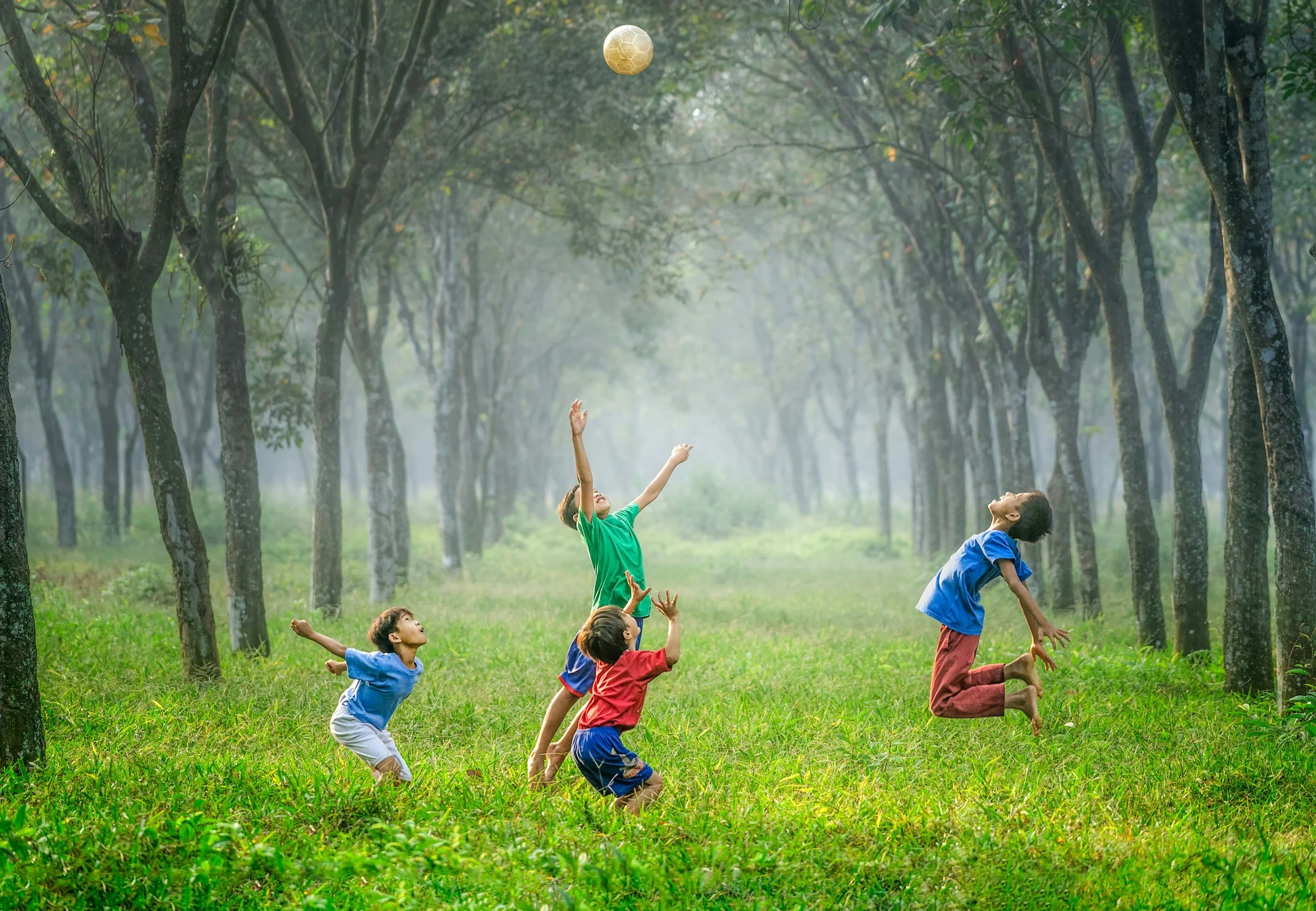
Myth 4: Anxiety Therapy Will Make Kids Feel Worse by “Talking About Feelings”
It makes sense to wonder whether therapy might stir up more anxiety by asking kids to face their fears. But therapy gives children a safe and supportive place where they don’t have to handle big feelings alone.
An experienced child therapist knows how to gently guide children through their emotions in a way that feels manageable, not overwhelming. My focus as a play therapist in San Jose is to build trust with your child, helping them explore their anxiety at their own pace through creative and age-appropriate methods.
Instead of avoiding their feelings, kids learn in therapy that feelings can be handled. That is something they get to keep.
Myth 5: Anxiety Therapy is a Quick Fix
Therapy is not an instant cure. For children, change usually comes gradually, as they learn new skills and find healthier ways to handle their emotions. Every child moves at their own pace, and the small wins along the way are worth noticing.
Milestones in therapy may include subtle but meaningful shifts, such as
- Learning to take a calming breath when feeling overwhelmed
- Practicing ways to express their feelings
- Opening up about their thoughts and emotions during play therapy
These moments may seem small on the surface but represent significant steps in building emotional awareness and control.
Progress happens in layers, often requiring repetition, reinforcement, and practice before changes fully take root. Patience and consistency are what make change last.
Over time, the changes can be big. Children often become more aware of their feelings, more resilient, and better able to handle hard things. They may communicate better, get along better with others, and feel more confident trying something difficult.
It can be slow, and it isn’t a straight line, but the skills they build are ones they carry into adulthood.
How Anxiety Therapy for Children is Different
1. Play Therapy
Children express themselves best through play. Building with Lego bricks, drawing pictures, acting out scenes with dolls, imaginative role-playing: the toys become a bridge for children to share their thoughts and feelings.
Play therapy meets kids where they are developmentally, so they can process their emotions in a way that feels natural and safe. The therapist watches and joins in, and helps uncover what is underneath the worry.
2. Coping Tools Made for Kids
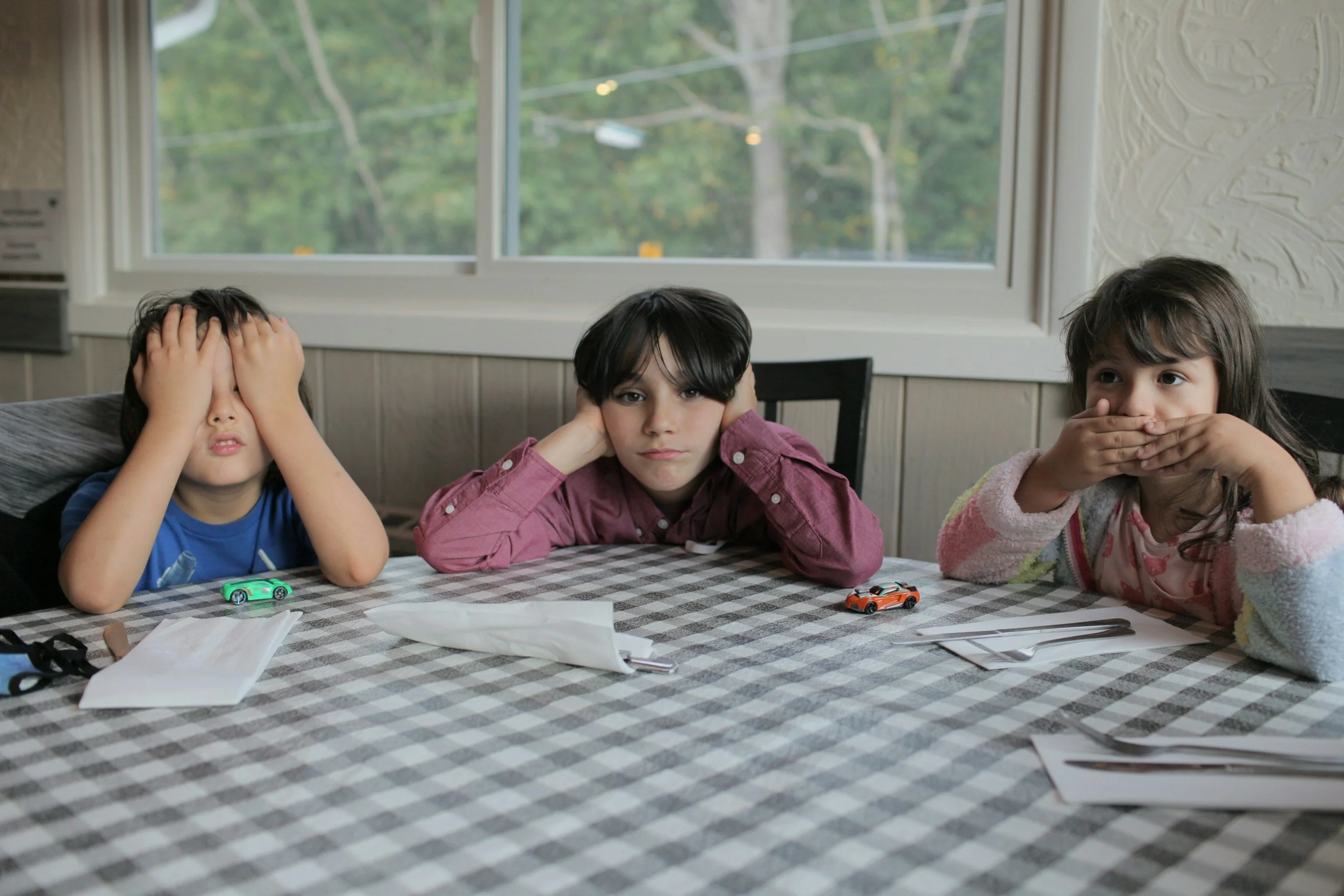
Children aren’t just small adults. They experience the world differently and need strategies that fit them.
Anxiety therapists for kids use simple activities like
- Belly breathing to calm their bodies
- Imagination exercises to help them look at a worry differently
- “Worry jars” where kids can “store” anxious thoughts
These give children coping habits they can actually use, in the playroom and at home.
3. Parents as Partners
Parents are a big part of therapy for children, because parents are there for the rest of the week. I work closely with parents to understand where their child’s anxiety is coming from and to build a calmer, steadier routine at home.
Together, we can set up consistent boundaries and rituals that lower stress and help your child feel secure. You’ll get guidance on how to respond to anxious behavior with patience and empathy, so you feel equipped to support your child between sessions.
4. Focus on Emotional Literacy
Kids have a hard time managing a feeling they can’t name. In therapy, through activities that fit their age, they learn to recognize, name, and express their emotions, whether it’s happiness, sadness, fear, or frustration. That is emotional literacy.
Knowing what they are feeling, and why, makes it easier to calm down. Over time, that self-awareness can build confidence, mean fewer outbursts, and help kids get along better with themselves and others.
5. Positive Reinforcement
Kids respond to encouragement, so noticing their progress is a big part of therapy. When a child uses a coping skill, faces a fear, or takes a small step, the therapist points it out.
That helps kids keep trying and helps them see their own strengths. Over time, the small wins add up, and children start to believe they can handle hard things.
See an Anxiety Therapist in San Jose: Schedule a Free Consultation
Helping your child with anxiety is one of the best things you can do for them. If myths about therapy have been holding you back, I hope this cleared some of them up. Getting help for anxiety isn’t a sign of weakness. It is how kids, and parents, get some relief.
If you’re looking for an anxiety therapist in San Jose, I’d be glad to help. I specialize in child therapy and play therapy, and my approach to anxiety is creative and evidence-based.
Persistent worries, social anxiety, or a general sense of unease all bring kids to therapy, and therapy can give them ways to feel calmer and more confident. Children get a safe place to work through it, and parents stay informed and involved the whole way. Schedule a free 15-minute call to get started.

About the Author: Hannah Ly, Anxiety Therapist in San Jose for Kids
Hannah Ly is an anxiety therapist in San Jose who helps children with worry, fear, and big feelings. With years of experience in child therapy and play therapy, she gives kids a place to express themselves, build confidence, and learn ways to manage anxiety. Her approach is rooted in play and connection, and parents are part of it from the start.
If you're looking for a child therapist in San Jose for social anxiety, persistent worries, or fears that seem to keep growing, Hannah is glad to talk with you. Learn more about how she works as a play therapist and anxiety therapist, and what therapy could look like for your child.
Free 15-minute call
If this sounds like your house, tell us what's going on. Hannah does every first call herself.
Book a Free 15-Minute Consultation