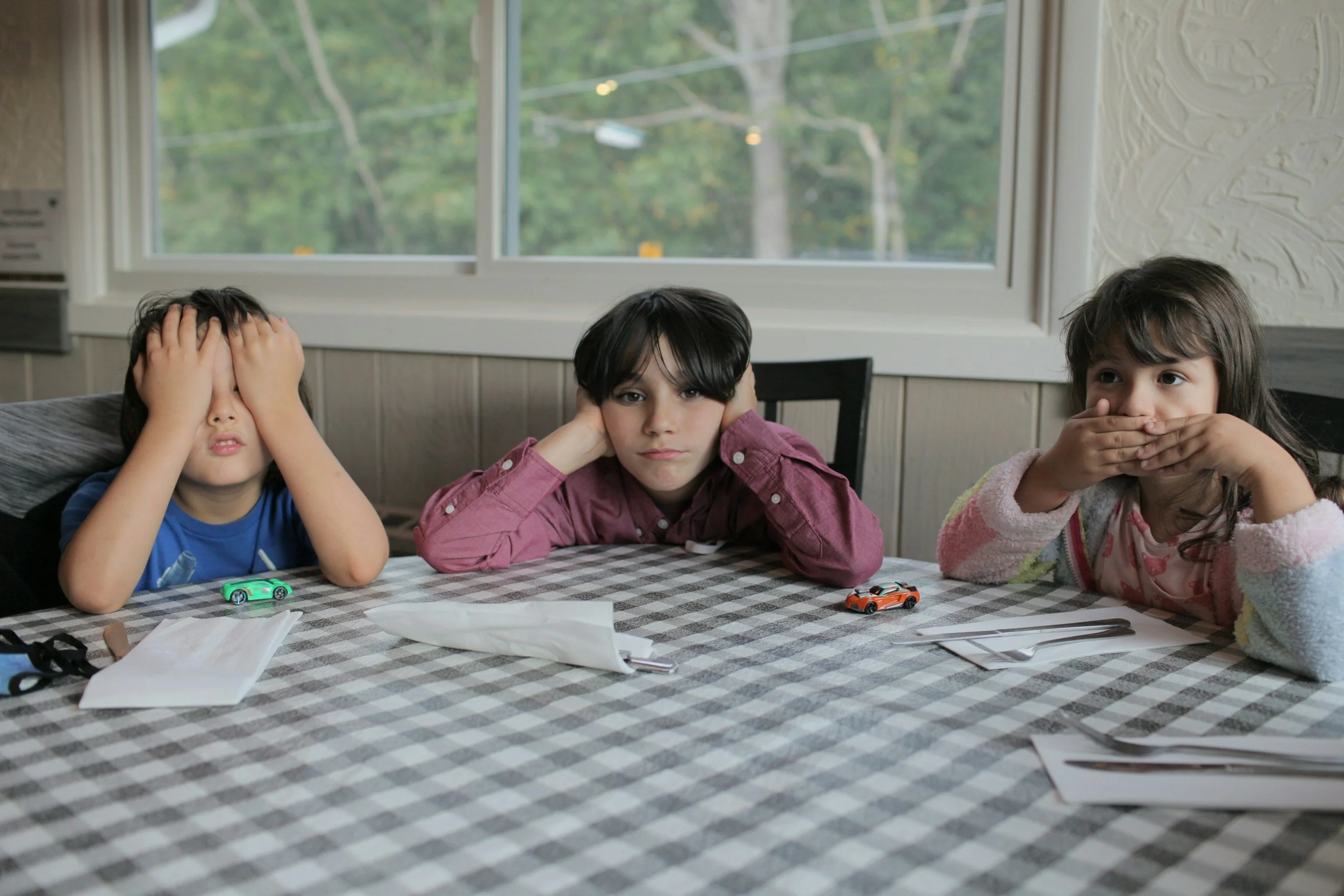
You take away the phone. You say no video games this weekend. And your child shrugs like it doesn’t matter at all. It can feel like shouting into a void, and a lot of parents end up right here, out of ideas and out of patience.
Most parents in this spot are asking some version of the same question: why don’t consequences have any effect on my child, and what am I supposed to do instead?
As a child therapist based in San Jose, I hear this question a lot. And so before we get to strategies, I want to look at what is underneath your child’s behavior, because that is usually where the answer is.
Identifying the Core Issue: Child Therapy in San Jose
I would argue that this question is not the most helpful one to solve the problem you are faced with. I’m imagining a stressful dynamic, a child is pushing boundaries and when you tell them a firm warning, a second warning, and finally put the foot down……
Ends with your child storming off and saying something like,
“I don’t care!”
A better, more helpful question, that I believe gets more to the root of the issue, is how do I connect with my child in this moment, to help them respect my boundaries and limits and also to feel seen and heard?
Because I can guarantee your child does care about the consequences, not just that their phone is taken away or they don’t get video games this weekend, but the consequence of the conflict which is the breaking of connection between you and your child.
This breach in connection is probably more distressing than the privileges being taken away, even if they don’t show it.
Inspirational Work in Child Therapy
Dr Karyn Purvis was a phenomenal brain researcher and therapist for children and her work is something I fall back to often. In her parenting model called Trust Based Relational Intervention, she teaches parents/caregivers how to offer connection while correcting, which I talk about in my blog about managing meltdowns.
Applying Effective Strategies For Your Child

If your objective is to teach your child natural consequences and respectful relationships, then the goals during a corrective moment would be identifying your child’s needs and using connection to promote the desired behavior.
Dr Purvis’ response framework is exactly that, a response, not a reaction. It’s important to respond to your child’s misbehavior instead of reacting with a punishment (this drives disconnection) or unrealistic consequences that can’t be enforced (this is a threat, that ends up causing your child to not trust your boundaries and words).
Engaging Effectively with Your Child
So going back to the question at hand, how do you engage with your child to help them learn respect and feel connected to you?
- You can offer redos of behavior when they cross a boundary
- You can give choices if they are engaging in a power struggle
- You can meet their deeper need by being aware of what their behaviors are communicating to you
Your child does care when there is conflict and a breach in connection, and their bond with you will be reinforced when you meet them where they are at and offer connection while correcting.
Connection Before Correction: Child Therapy in San Jose
The heart of Dr Purvis’ Trust-Based Relational Intervention model is connection before correction. When you understand what your child is needing, the limit can still hold, and so can the relationship.
Redos, choices, and meeting the deeper need are three places to start. They won’t work every time, especially in the middle of a meltdown, but they give you something to reach for besides another consequence.
Want help putting this into practice?
What works with one child can backfire with another, so these ideas usually need some adjusting for your family. If you want to talk through what this looks like in your home, book a free 15-minute call with me. I offer child therapy, play therapy, trauma therapy, and parent coaching in San Jose. Schedule your call here, and we can start figuring out together what your child is needing.
About the Author: Hannah Ly, San Jose Child Therapist

Hannah Ly is a child and teen therapist in San Jose, California. Her background is in child therapy, trauma therapy, and play therapy, and she works with the whole family, not just the child. She also does parent coaching, because children don’t grow up in a vacuum, and parents are the ones at home when the hard moments happen. If your child is struggling with big feelings, something hard that happened, or behavior that has your family stuck, Hannah is glad to talk with you.
Free 15-minute call
If this sounds like your house, tell us what's going on. Hannah does every first call herself.
Book a Free 15-Minute Consultation